
Education
Higher Education

by Cody Nielsen
In the past twenty years, the world of religious, secular, and spiritual identities (RSSIs) has grown considerably on college and university campuses across North America. Once a forgotten and at times taboo topic, higher education is slowly embracing these identities as it re-imagines itself as a force for global citizenship.
by Kevin Singer
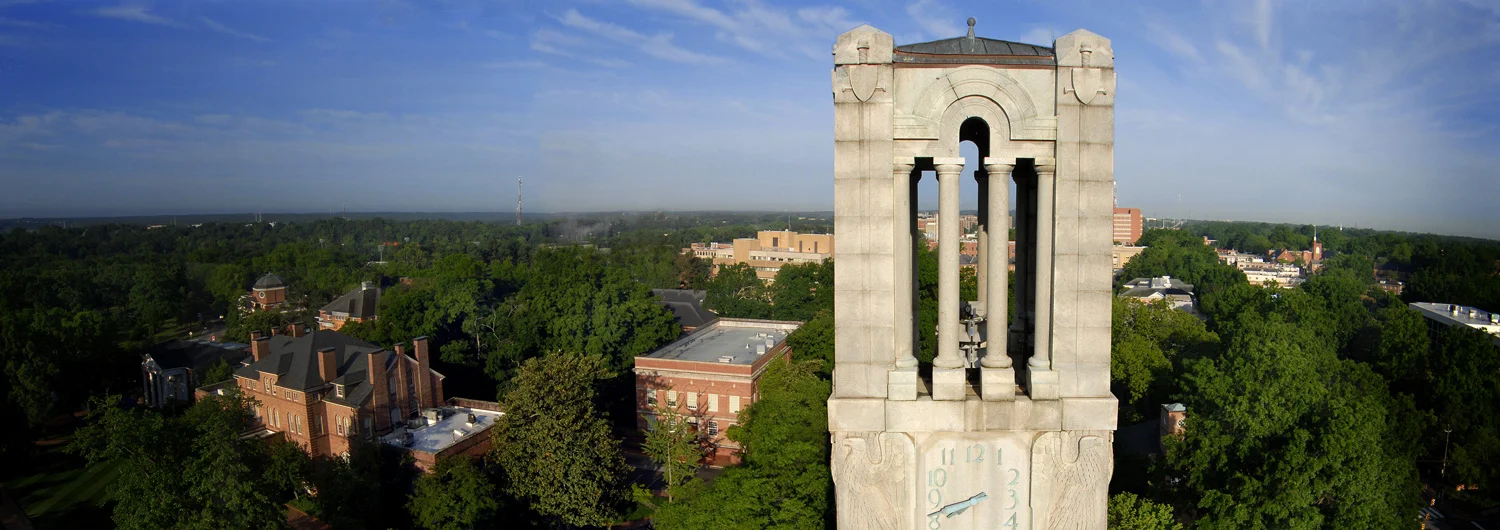
This fall I started the journey toward a Ph.D. in higher education at North Carolina State University. While walking around various parts of campus, I noticed the presence of several bi-fold signs fastened to campus fixtures like streetlights and trees with bike locks.

by Kevin Singer
I remember like it was yesterday; cracking open an old Baptist hymnal to the first hymn, “Come Thou Fount of Every Blessing” (Robinson and Wyeth, 1759). “Come thou fount of every blessing, tune my heart to sing thy grace” the first verse begins. The final refrain ends in resounding fashion: “Take my heart Lord, take a seal it, seal it for thy courts above.”

by Megan Weiss
My first step into the interfaith world was an experience I had during a global issues class in high school. My teacher projected an image of a man wearing a turban holding a gun, violence ensuing in the background, and then asked a question: “Is this a terrorist or a man protecting his family?”
by Ruth Broyde Sharone
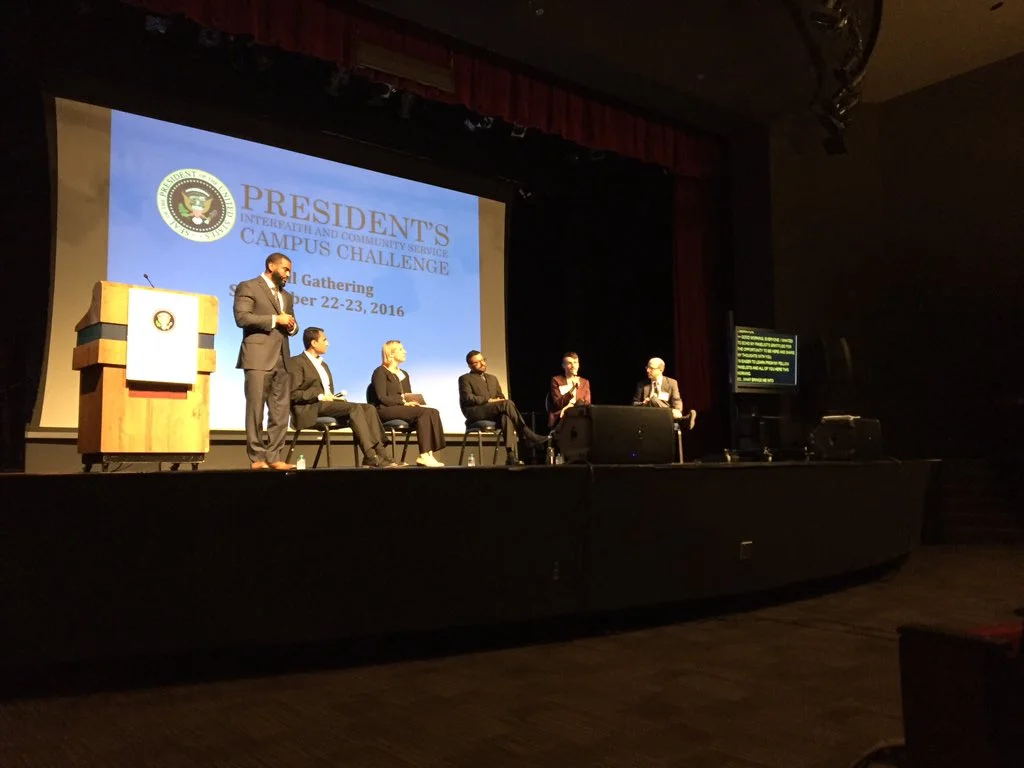
Eboo Patel’s question rang out in Elstad Auditorium on the final day of the Sixth Annual President’s Interfaith Community Service Campus Challenge, held this year in September at Gallaudet University in Washington DC. Founder and executive director of the Interfaith Youth Core, and one of the principal architects of the Campus Challenge, Patel posed that key question to some 600 participants: students, professors, university presidents and interfaith activists




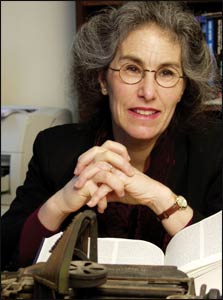
In an impassioned, eloquent plea in San Diego last month, Laurie Zoloth, newly appointed 2014 president of the Academy of American Religion (AAR), called for a conscious “interruption” in our lives to take into account the dire climate crisis and to make substantial changes in our daily behavior.
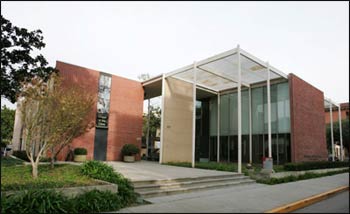
She looked the part of a fine arts major, with the gold spangle in her nostril, the streak of purple in her jet-black hair, and her bespoke clothing. Her diminutive form and high voice gave no hint of the feisty energy that would pour forth whenever she spoke up in the weekly meetings of the Student Interfaith Council at the University of Southern California. Born to Pakistani immigrant parents, she didn’t fit anybody’s stereotype of a Muslim woman.

An Alternative to Authoritarianism

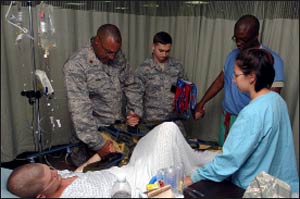
Because words like ‘chaplain’ and ‘chaplaincy’ have religious connotations, some atheists and non-believers prefer not to use the terms. Nonetheless, a need for atheist chaplains exists, and a growing number of people are stepping into the role. Atheists, a significant portion of the public, have needs like anyone else, seek out mentors and counselors who can advise them, and care for them. But the issue is bigger than being acknowledged and represented in the healing community, important as those matters are.
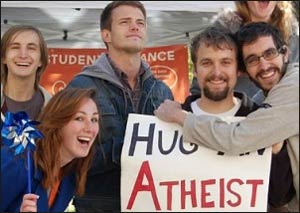
This month at the University of Illinois at Urbana-Champaign, a select group of students will show their humanitarian spirit by participating in the Bleedin’ Heathens Blood Drive. On February 12, they will eat cake to celebrate Darwin Day, and earlier this year, they performed “de-baptism” ceremonies to celebrate Blasphemy Day, attended a War on Christmas Party, and set up Hug An Atheist and Ask An Atheist booths in the campus quad.
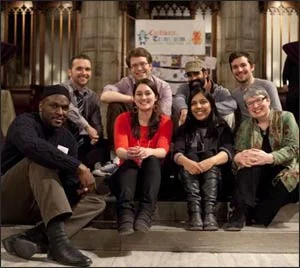
More than 120 students from colleges and universities across the U.S. and Canada braved wintry weather to participate in the sixth “Coming Together” conference (CT6), three days of interfaith dialogue and programming. CT6 was hosted last month at the University of Chicago by the Spiritual Life Office and Rockefeller Chapel.
Interfaith Knowledge/Resources

by W. Y. Alice Chan
In early 2011, two startling events happened in my life. Personally, my father unexpectedly passed away at the age of 59. Professionally as a middle school teacher, I encountered religious bullying for the first time.

by Ralph Singh
I have been a storyteller for as long as I can remember. I honed my skills at the feet of the great Master, H.H. Baba Virsa Singh ji of Gobind Sadan. As his first foreign devotee, I had the privilege of translating stories from the lives of those we refer to as Messiah, Prophets, Avatars, and Saints.

by Paul Chaffee
Interfaith Made Easy may initially inspire caustic remarks like “then it can’t be much about interfaith.” A closer look by either novice or seasoned interfaith activists is likely to inspire awe and appreciation.

by Paul Chaffee
TIO’s initial profile of Spirituality & Practice, in November 2012, suggested that the website was the premier gathering of spiritual resources and practices on the planet. Its 24,000 web pages constituted a vast library of reviews, profiles, blogs, and on-demand e-courses. Six years later, while sporting a beautiful new web platform, S&P has kept its vision and goals intact.
by Megan Weiss
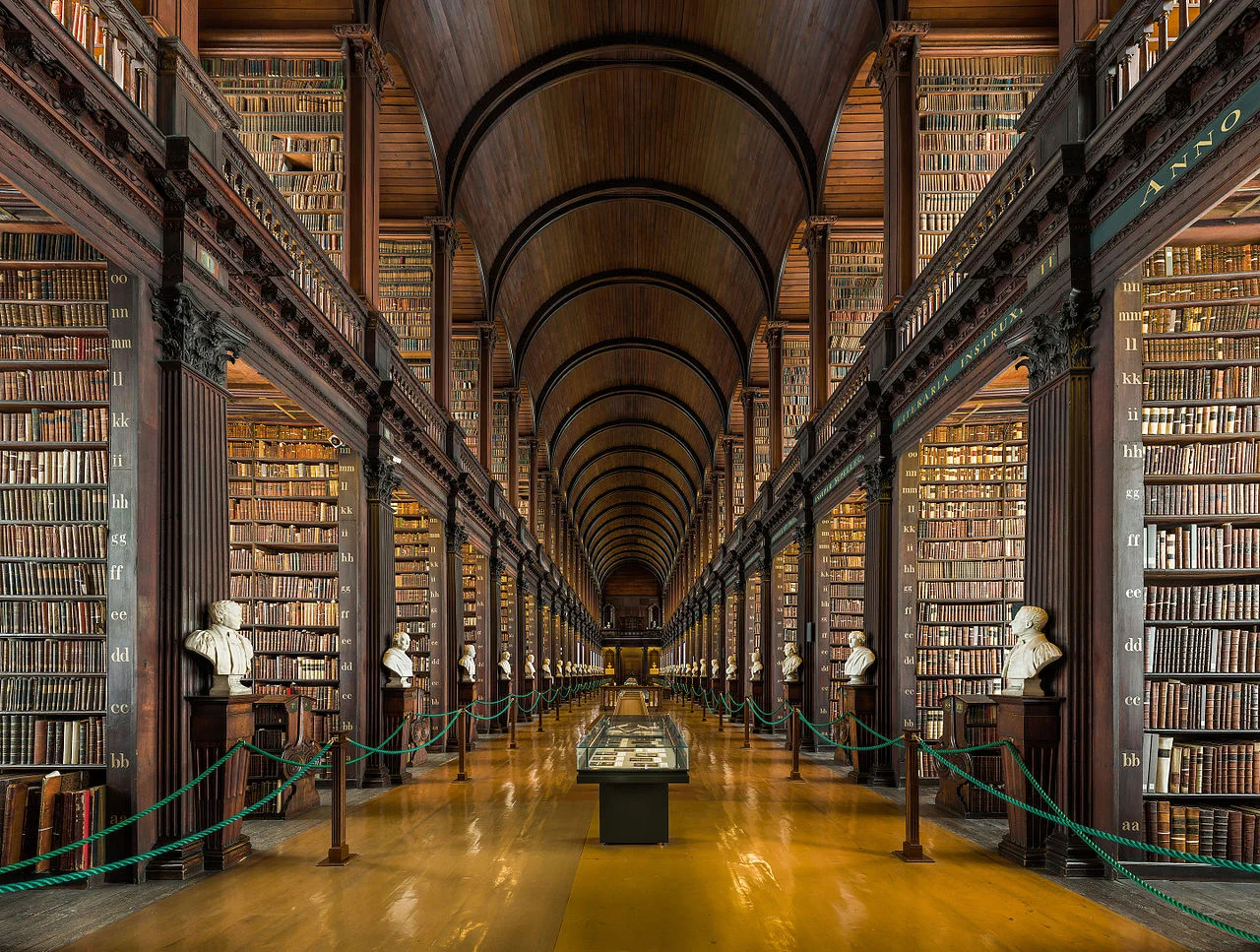
I have always loved libraries. I worked at my hometown library for six years and at one point dreamed of becoming a librarian myself. Now this dream has come true, although in an unexpected way, since never once did I think I would be building a library from the bottom up!

by Kristen Looney
As protesters fill the streets across the country, clog airports, and march down Pennsylvania Avenue to the White House, many other Americans – on both sides of the partisan divide – take to social media denouncing President Trump’s recent executive order on immigration and refugee policy as un-American. Religious leaders, civic leaders, and elected officials are calling for a reversal of the “Muslim ban"...




Interfaith Studies/Education

by Lidiia Batig
In 2013 the history of Ukraine changed dramatically. Communities had been betrayed by state power, by their own politicians, and even their president.

by Ruth Broyde Sharone
In the heart of the city sits a sprawling central mosque and the burial site, Dargah, of the revered Sufi Saint Khwaja Moinuddin Hasan Chishty – responsible for bringing Sufism to this part of the world hundreds of years ago.
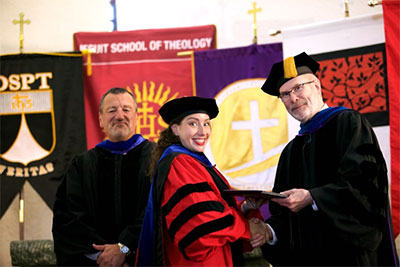

It all began when I sat next to Prof. Barbara McGraw at an Interfaith Youth Core conference in Chicago in 2009. We were both impressed by the energy and passion of the religiously diverse young people gathered to talk about models of interfaith cooperation. Having helped launch the IFYC in my younger days and now learning the ropes of academic life in my position at Andover Newton Theological School, it struck me how powerful it would be to combine the scholarly depth of the academy with the passion of the interfaith movement. Barbara looked at me and suggested simply, “what about starting a new area at the AAR (American Academy of Religion) focused on interfaith work?”

Religion and Science
Seminaries

by Paul Chaffee
Nowhere is the diminishing influence of liberal Protestantism in the US more dramatic than in the decline of its seminaries. Mounting debt, smaller student bodies, and ever-increasing costs have left dozens of institutions struggling to survive.

by John R. Mabry
Andrea paused at the doorway to the hospital room to gather her thoughts. Her last patient had been a Sunni Muslim grandmother who was scared of what her tests might say. This next patient is an atheist who may or may not want to talk to her. After that, she has a Jewish person, and a Seventh Day Adventist. While that kind of rapid-paced paradigm-shifting might cause vertigo in some chaplains, it’s all par for the course for Andrea and others...



by Cody Nielsen
Higher education may be the most important invention of the second millennium. Consider for a second that, alongside the Gutenberg press, higher education holds a value…