

Indigenous Traditions

by Brian Carwana
We live in a time when seemingly difficult conversations – including around race, gender, and sexual orientation – have become an important part of the public discourse. However, one arena, central to…

by David Callaway and Hannah Santos
Long-time advocates of religious freedom paused when Eddie Castillo successfully used the First Amendment to wear a pasta strainer on his head for his license photo. Castillo, a Pastafarian, argued the…

by Jacob K. Olupona
1. African traditional religion refers to the indigenous or autochthonous religions of the African people. It deals with their cosmology, ritual practices, symbols, arts, society, and…

by Louise Mangan
There is a longer and lovelier story about the Earth than most of us have been taught. This older wisdom story is grounded in the beauty and goodness of the natural world.

by William Rees
Truth and Reconciliation Commission of Canada (2015) recently defined reconciliation as “establishing and maintaining a mutually respectful relationship between Aboriginal and non-Aboriginal peoples.”
by Lyla June Johnston
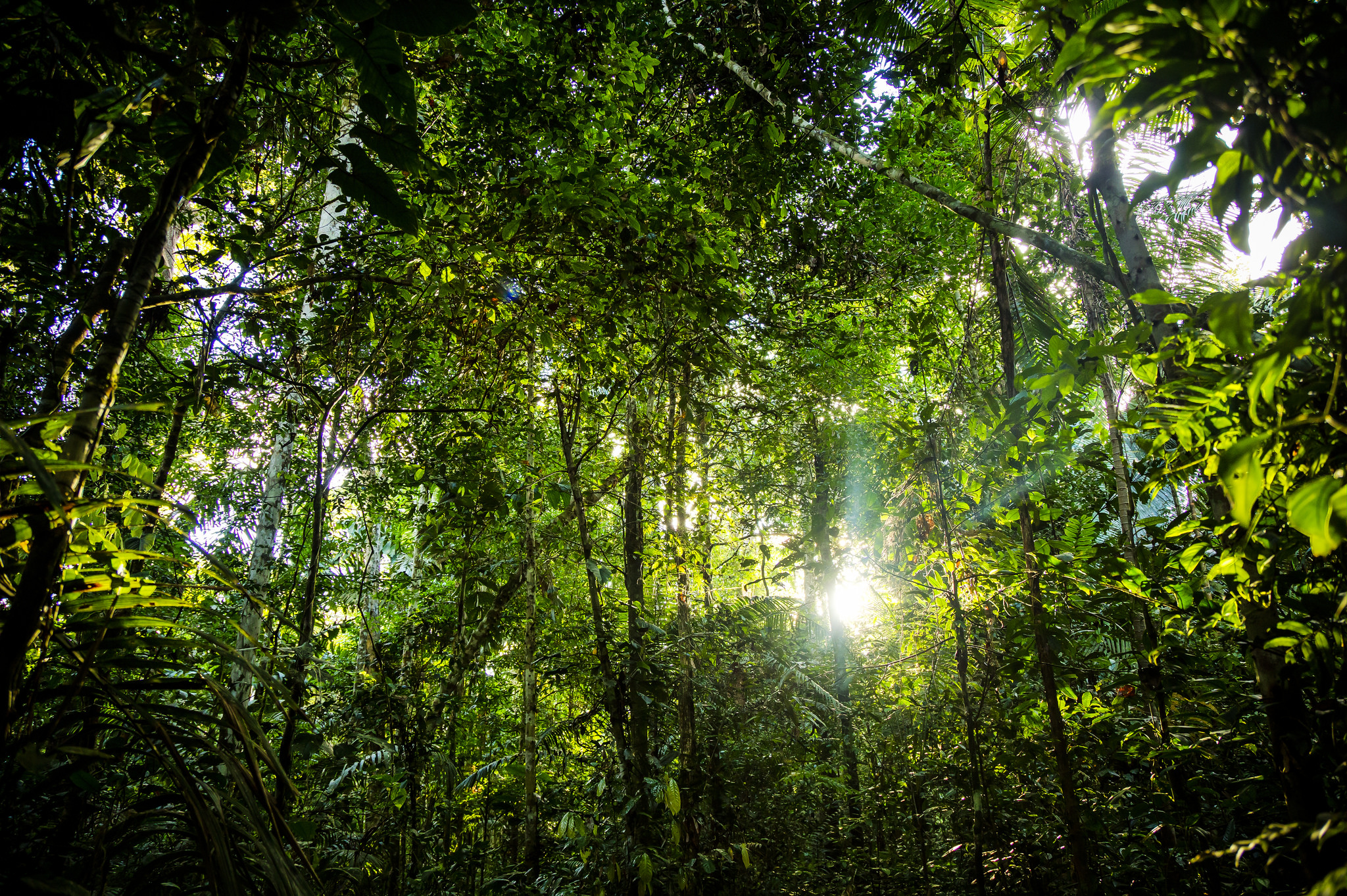
The sky was black and beautiful. The stars shone above like glistening guardians of the night. Guided only by fire light, we scaled the Amazonian hillside.
by Vicki Garlock
Toward a Global Ethic – An Initial Declaration put forth by the Parliament of the World’s Religions in 1993 provides important guidelines for achieving a sustainable and just world. But if we hold any hope of transforming those principles into reality, we absolutely have to start with kids
by Jacob K. Olupona
1. African traditional religion refers to the indigenous or autochthonous religions of the African people. It deals with their cosmology, ritual practices, symbols, arts, society, and so on. Because religion is a way of life, it relates to culture and society as they affect the worldview of the African people.

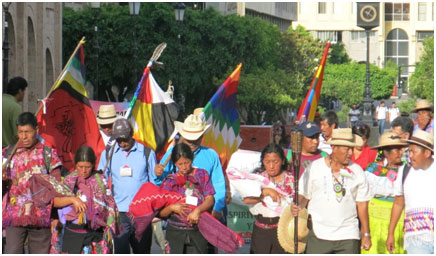
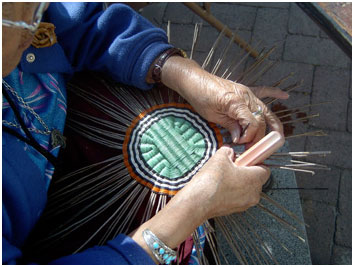


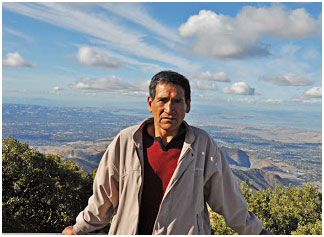


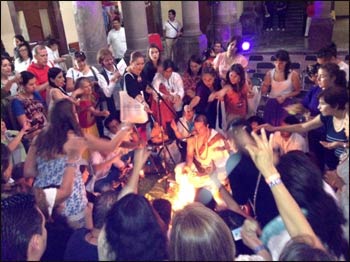
As excitement builds for the Parliament of the World’s Religions next year in Salt Lake City (October 15-19), a second major international interfaith gathering has been announced, this one in Guadalajara, Mexico, set for May 3-9, 2015.
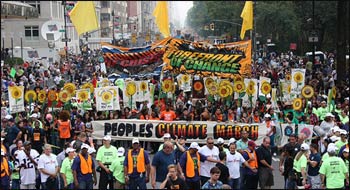
Sunday, September 21, 2014, the UN International Day of Peace. The sky was clear, the sun shining, and the air was vibrating with excitement. You could sense an unmistakable whiff of history-in-the-making. Soon mid-town Manhattan would become a rolling wave of humanity, a moving festival of people of every age, race, ethnicity, nationality, and belief. Most wore casual attire, some religious garb, and others chose colorful costumes and body paint. An impressive assortment of headgear showed up as well: hijabs, turbans, kippas, garlands, feathers, panama hats, and baseball caps.

Neopagan, Indigenous, and Earth-based Spiritual Practice
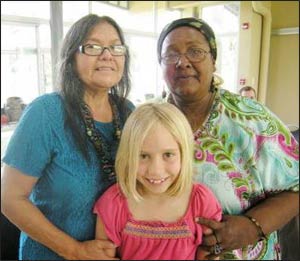
Stunned silence followed when nine year-old Grace’s innocent question was repeated by her mother during a working session of a Peace Summit held in San Jose, Costa Rica, last December.

Around 1995 an intact and healthy aboriginal community’s pristine Amazonian environment was threatened by development companies looking for oil, minerals, and other resources. The Achuar people of Ecuador are a “dream culture”; their leaders began to perceive in their visions that they needed to connect with like-minded spirits among people of the very same developed world which was threatening them.

by Suraj Arshanapally
When I was young, a magnificent willow tree stood in my backyard. Imagine a towering giant with branches stretching out like the graceful arms of a ballet dancer. Its canopy…