
Religious Hatred/Violence
Hatred

by Ruth Broyde Sharone
On Sunday, September 10, 2006, a day before the fifth-and-still-painful anniversary of 9/11, a group of some 75 angry demonstrators showed up – with a city permit – outside the King Fahad Mosque of Culver City…

by Bud Heckman
It has long been said by clever rabbis of lore that our “words make worlds.” That simple idea can be taken many ways and be to our detriment and to our benefit.

by Sister Zeph
I was lying down, dreaming of a world where there is no hate; where everyone is smiling; where people dance in the roads with joy. A world where there is respect and equality for all. Then, suddenly, my younger sister Rahat’s phone began to ring.

by Marcus Braybrooke
Four weeks ago, as I write at the end of July, I turned on my radio at 2:00 a.m. and heard the prediction that Brexit had won. It was hard to go back to sleep! For those who do not understand what Brexit means – and no one in Britain seems to – it was the vote in the June referendum for Britain to leave the European Union.



European Elections Cause for Concern

As an interfaith activist, I’ve worked to bring an end to religious division. In recent years, this has increasingly meant speaking out against the rise in anti-Muslim rhetoric and violence sweeping America.
Prejudice

by Jane Fitzpatrick
Opera has told stories of faith and humanity for centuries, and they continue to inspire conversations about the past, present, and future of religious pluralism in a variety of modern contexts…
European Elections Cause for Concern
Violence

by Susan L. Lipson
Since the shooting at Chabad of Poway, people of all faiths, from across the county, have rallied together for vigils and services to support their Jewish neighbors. Over 4,000 people showed up Monday night at Poway High School for…

by Lawrence Lerner
On March 15th, 2019 a shooter used the Facebook social media platform to broadcast the massacre of 50 Muslim worshippers in Christchurch, New Zealand. How do I write about hate without honoring it?

by Marcus Braybrooke
Sympathy, empathy, compassion; my dictionary treats them as synonyms. Contributors to the important new book Confronting Religious Violence, however, suggest there are important differences.
by Richard Reoch
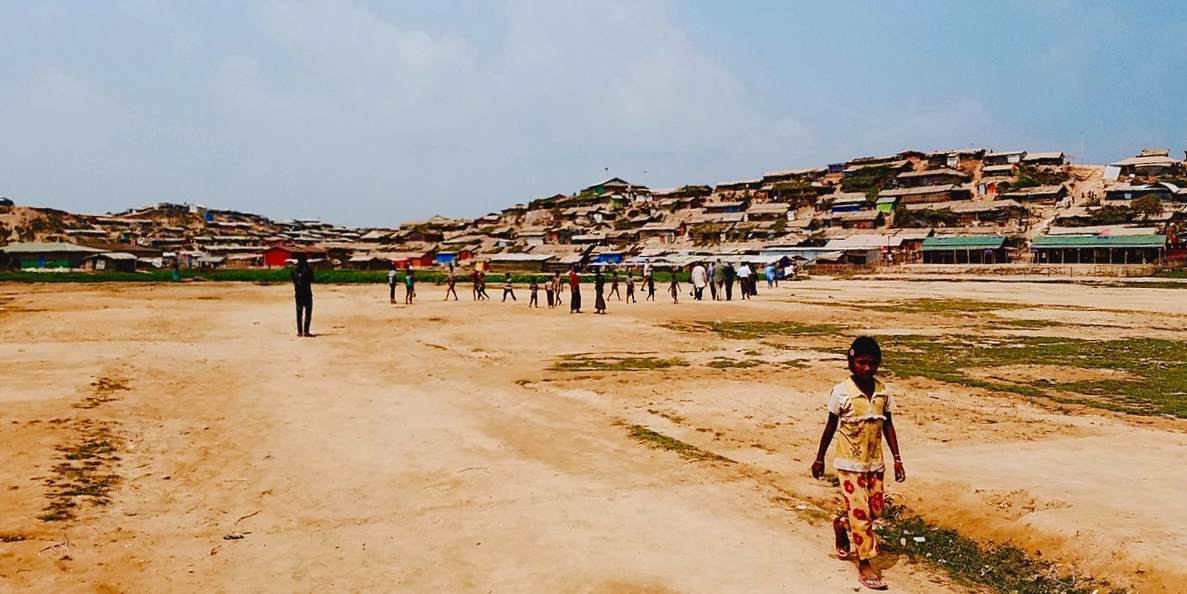
The Buddha was no stranger to genocide. His own people, the Sakyas, were the victims of mass slaughter. One of the final acts of his life, recounted in the opening verses of the Mahaparinirvana Sutra, was to refuse a request to give his blessing to an act of genocide.

by Marcus Braybrooke
The row over reading verses of the Qur’an in a Cathedral in Scotland has, I gather, reached across the Atlantic. Certainly the Cathedral has had a lot of abusive online messages from the U.S.A. During an Epiphany service at the Cathedral a Muslim law student was invited to read the Qur’anic account of the birth of Jesus, which also says, as Muslims believe, that Jesus was a prophet but not divine.

by Michael Reid Trice
Twenty fifteen is a year for remembering massacre. This past July marked the twentieth summer since the summary executions in the municipality and town of Srebrenica, where over 8,000 Bosnian Muslims…



A shorter version of this article was originally published October 12, 2012 by the Huffington Post. Mr. Speckhardt has added several paragraphs at the end, updating his analysis. A library of stories dramatizing his thesis have been written since; his basic focus on the “need to ensure that a person’s freedom of thought and speech is paramount” continues to ground the whole issue of religious freedom. Ed.

The following statement is signed by distinguished leaders from a variety of religious traditions. It was published July 24, 2014 and made available by Al-Monitor.
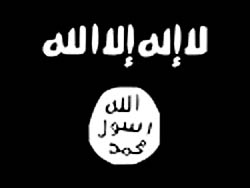
Religiously related beheadings broadcast this summer over the internet snapped the world to attention, initiating a dark new chapter in global religious relationships. We might call this a tragic aberration if the madness were confined to Iraq/Syria, or if religious freedom was not diminishing globally even as religiously related conflict is accelerating. But this new level of violence could push us to a tipping point. Humankind’s best hope may be the willingness of peacemakers, religious and secular, to join hands strategically to end absolutist violence, wherever it’s found.

Discerning the Institutional Shadow

The Fire This Time:
by Uroosa Jawed
Crisis response is typically not the primary work of interfaith organizations. Their more usual focus is creating meaningful connections between people of diverse faiths. Tri-Faith Initiative in Omaha, Nebraska, where…