
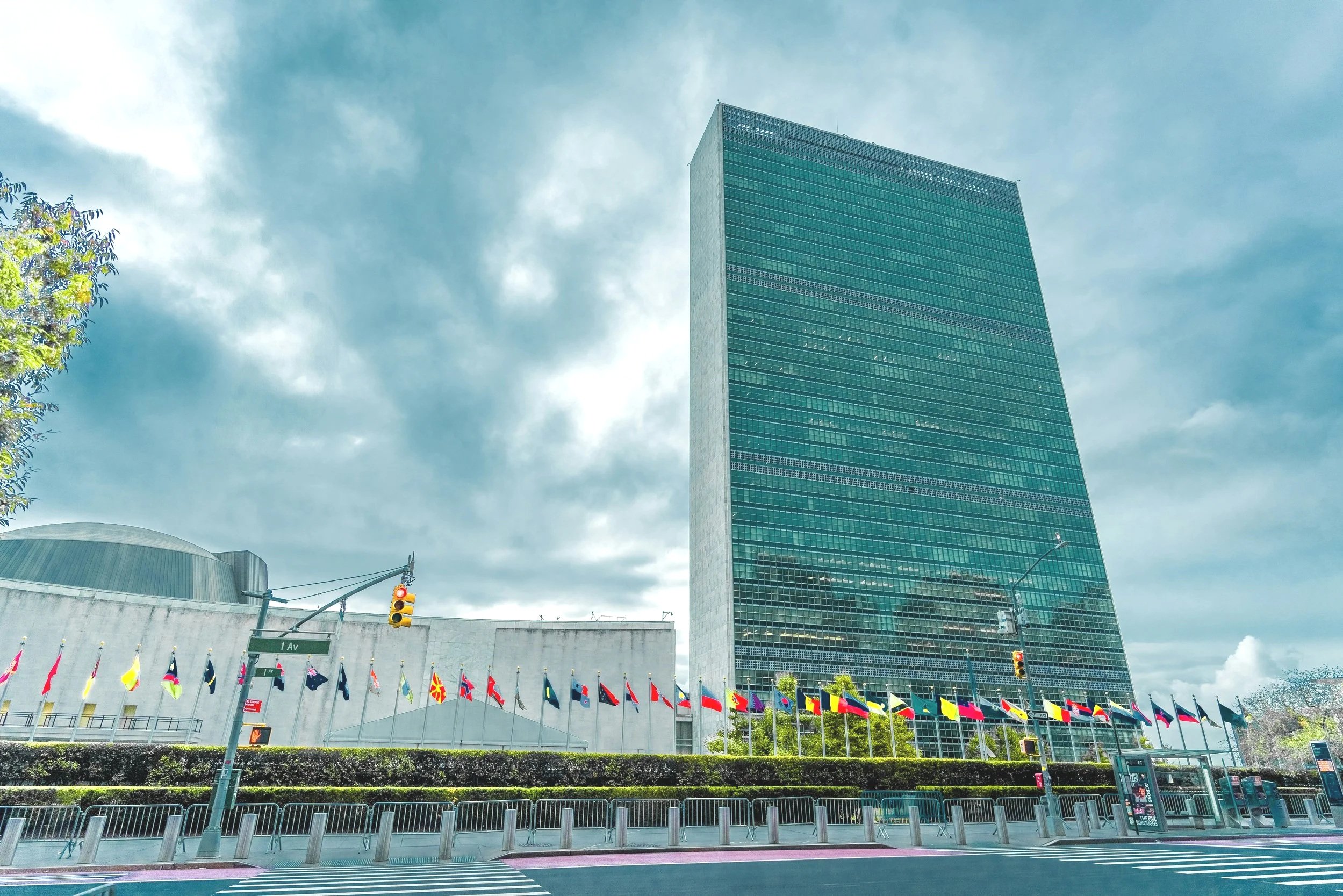
Reflection on the 70th Commission on the Status of Women
by Rev. Dr. Kara Markell
The Commission on the Status of Women is a conversation 70 years in the making, which draws intentional and sustained attention to the lived reality of women and girls around the globe.
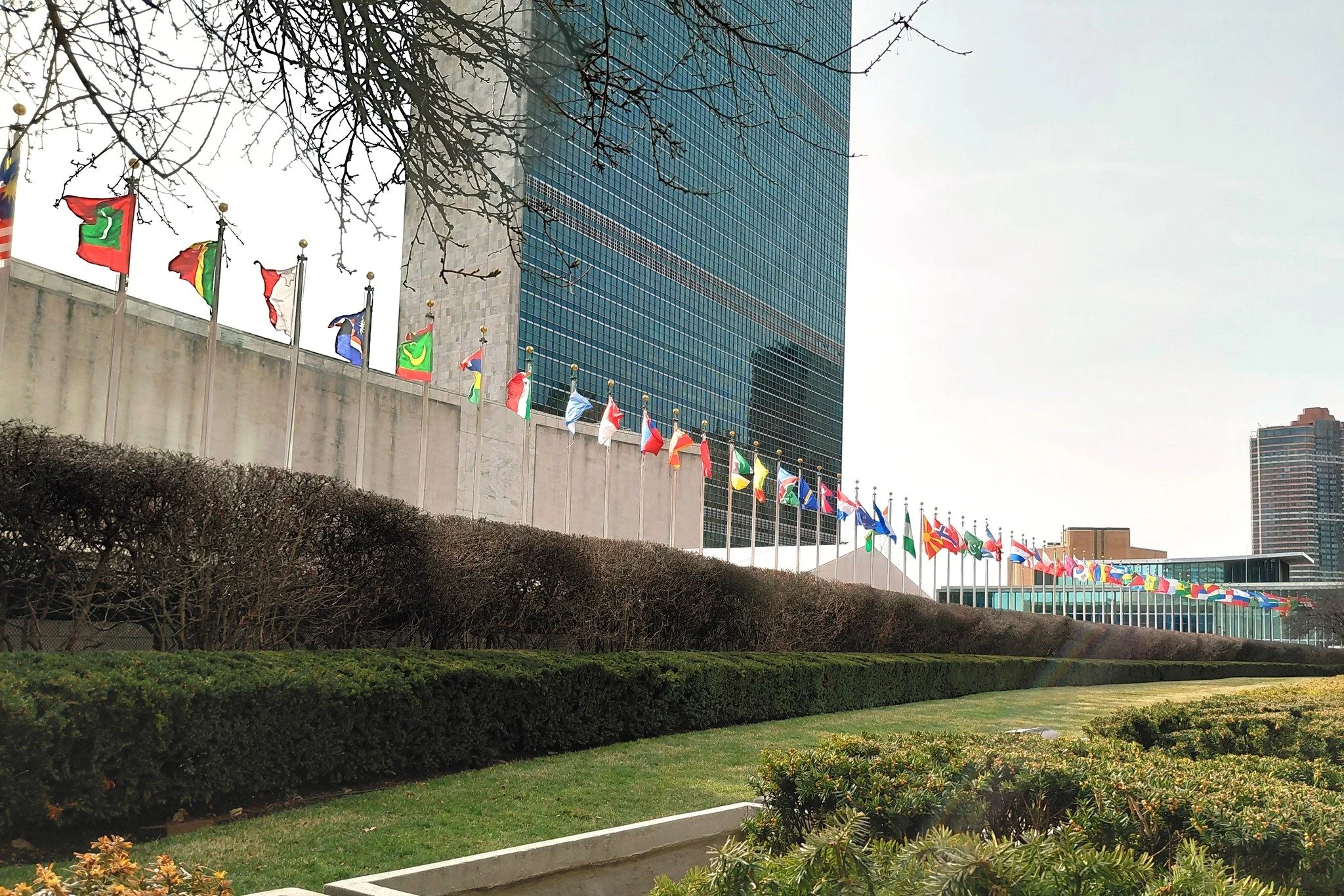
Image: Flags at United Nations Headquarters in New York City.
This year’s priority theme was Ensuring and strengthening access to justice for all women and girls, including by promoting inclusive and equitable legal systems, eliminating discriminatory laws, policies, and practices, and addressing structural barriers. The convening featured hundreds of compelling sessions, workshops, panels, and conversations hosted by international associations and non-profits from across the globe.
The CSW was established in 1946 by ECOSOC (Economic and Social Council) of the UN. It’s purpose was refined in 1996 with Being Declaration and Platform for Action, which provides a framework for documenting and sharping global standards on gender equality and empowerment. You can read more about the history of CSW here. The Commission focuses its work on the aspects of the UN’s 2030 Agenda for Sustainable Development which particularly impact the lives of women and girls.; especially the goals to eliminate poverty, secure quality education, attain gender equality and climate impacts.
Sadly, what we know to be true today is that the status of women and girls globally is not significantly improving. As we close in on the 2030 deadline for these SDGs, one things is obvious: any progress that has been made toward these goals is fragile and unequal.
It can feel defeating. But what I learned and experienced at CSW 70 was a fierce hope and a deep commitment to the ongoing efforts to improve the status of women.
First, to simply be in the room with women leaders from every discipline and over 100 countries was exhilarating and stimulating. The full centering of women’s voice - governmental representatives, lawmakers, non-profit leaders, inventors, GBV advocates, Tribal Elders, and more – was inspiring all on its own. And then to have the opportunity to learn more about the efforts underway to work for equal justice was energizing and healing. I’m so grateful to have had the opportunity and look forward to sharing the fruits of my engagement with our CEIE community.
I was honored to moderate a conversation, hosted by the Women’s Task Force of the Parliament of the World's Religions: Women, Ethics, and Climate Futures: Reflections on the Global Ethical Stocktake Dialogues. Based on the work of the Center for Earth Ethics and others, the Global Ethical Stocktake is a reflective tool, which brings together ethics, wisdom and religious practice into the conversation of COP30 and the environmental crisis. An interreligious panel responded to this question: What traditions, histories, or practices (cultural, spiritual) from your community teach us to live in greater harmony with nature? The conversation is ongoing, and you can convene a circle conversation of your own. Watch the recording here.
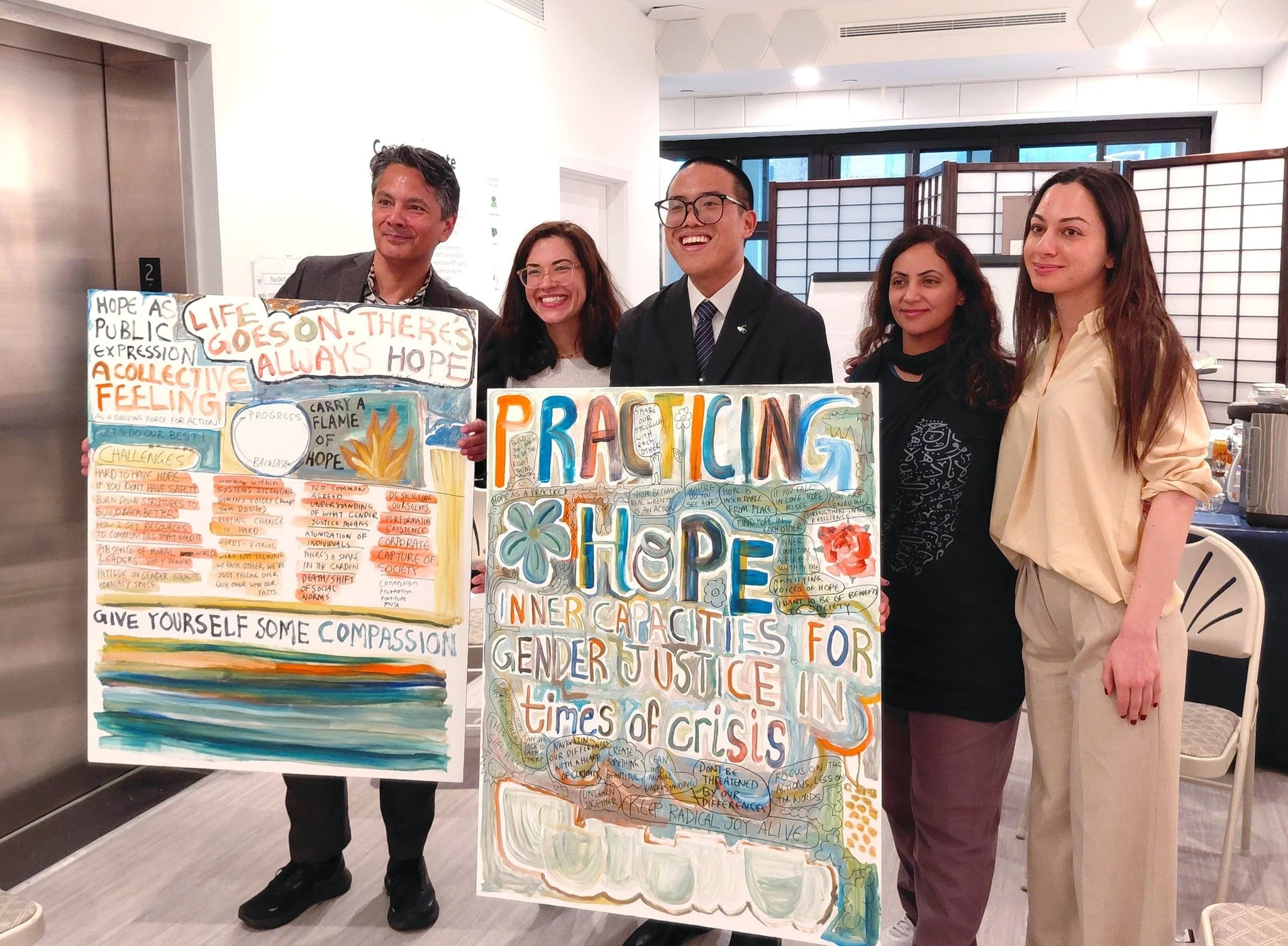
Image: CEIE and JLIFLC members hold colorful painting after Practicing Hope session during CSW week.
I was also delighted to partner with our colleagues at Joint Learning Initiative on Faith & Local Communities (CEIE Community Fellow 2026) and the Tzu Chi USA Foundation for a session focused on the practice of hope. Practicing Hope: Inner Capacities for Gender Justic in Times of Crisis featured small group conversation, storytelling, and an inspiring, original musical composition from Andromeda Turre. The session was rooted in the Inner Development Goals, which acknowledge hope as an ‘action’ skill, which needs to be practiced and embodied in community. In the session itself, we shared the challenges in our own lives and work that impact gender justice. The stories were as varied as you might imagine. But the threads of hope that provide encouragement and keep each person working for gender justice were similar – community, agency, diversity and courage.
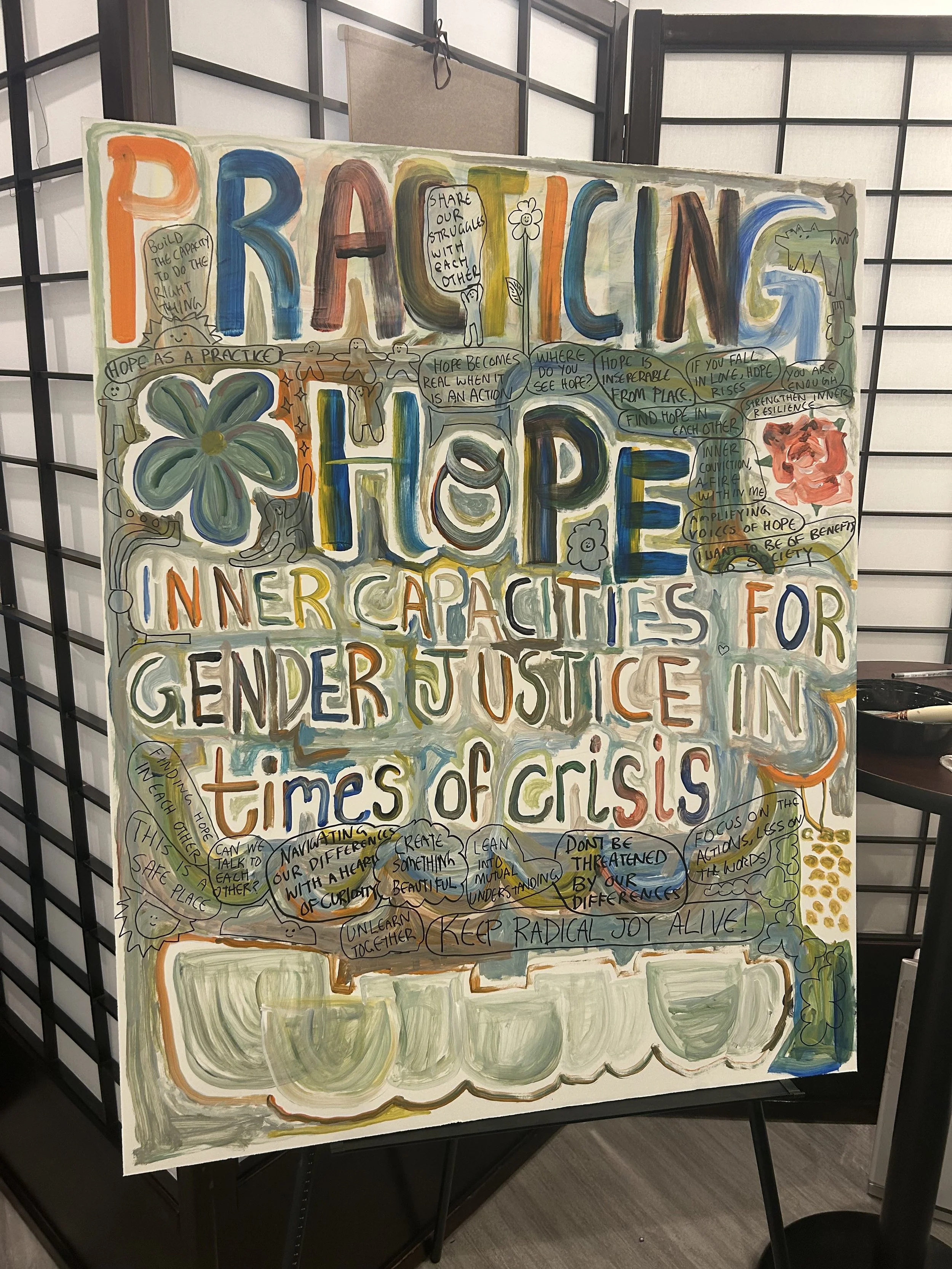
“Practicing Hope” painting done during session at Tzu Chi USA Foundation.
The work of the ensuring gender justice for women and girls globally is ongoing. It takes all of us learning and working together, supporting one another and advocating for just policies and equal opportunity for women and girls. You don’t have to be a woman or girl to do that good work. While the 70th Session is over, I’m already looking forward to next year. I hope you’ll take the time to learn more about CSW and consider the way that you can take hope-filled action on an issue that is important to you and the women and girls in your life!
