
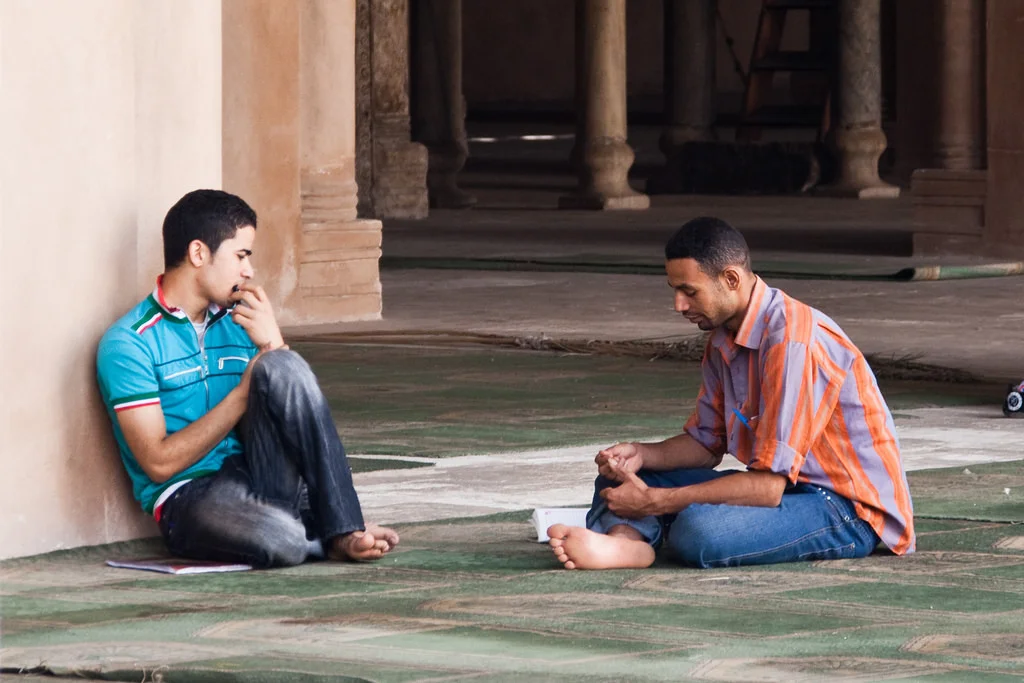
Dialogue
Interfaith Dialogue

by Andrew Smith
I learn best by listening to people’s ideas over a good cup of coffee. One such conversation sparked ideas that inspired a whole series of interfaith dialogues that have taken place over the past few years.

by Vicki Garlock
Sometimes, a story is told more easily through art. That’s certainly the case for this Bulgarian-based interfaith and cultural exchange camp – the brainchild of Angelina Vladikova and Svetlana Karadzhova…

by Paul Chaffee
If the 1893 Parliament of the World’s Religions in Chicago made history by opening the door to interreligious relationships, the 1993 Centennial Parliament made history by endorsing and promoting Towards a Global Ethic – An Initial Declaration.

by Miranda Hovemeyer
There’s a photo that I keep seeing posted on social media. I can’t find the original source, but it’s a photo of what appears to be a page from a book. On the page is written, “Being taught to avoid talking about politics and religion has led to a lack of understanding of politics and religion.

by Elías González
Silence. Young people sitting in a circle. Prayers. “This is how it all began, with a prayer, by the hand of God. Like a dream.” Mexico City, one of the most populated cities on the planet, has historically been a land of encounter among cultures, civilizations, and religions.
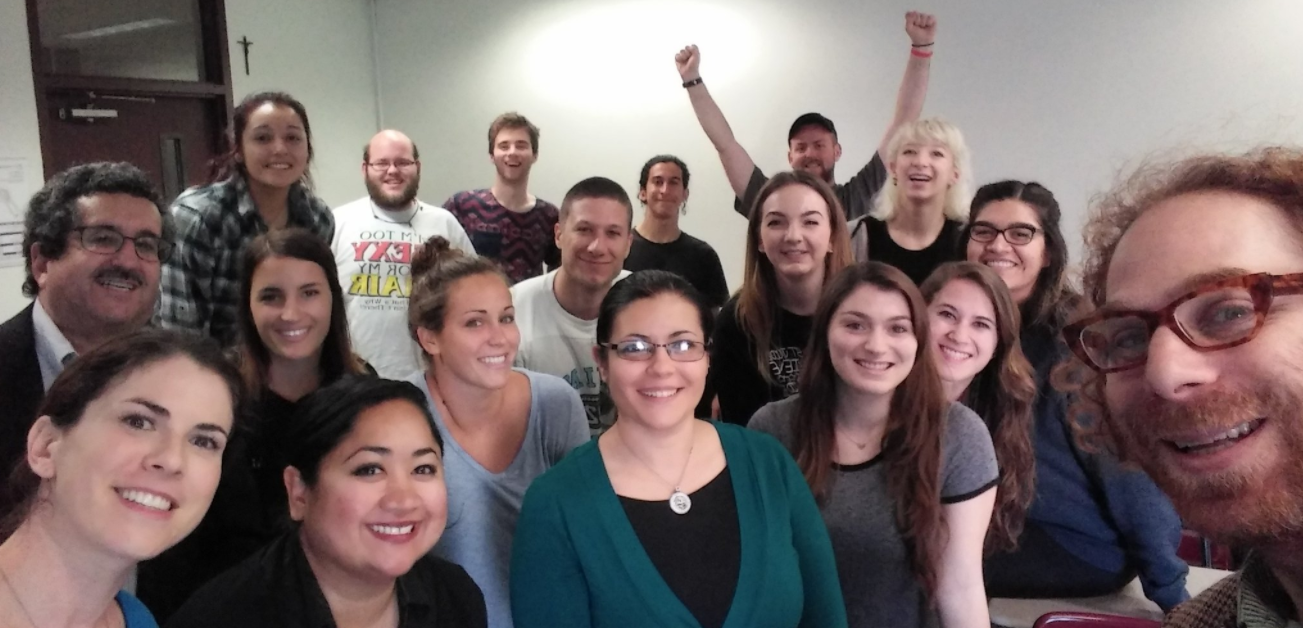
by Ruth Broyde Sharone
Aziza Hasan is one of the most admired Muslim women in Los Angeles. She is a graduate of a small Mennonite college in Kansas, where she studied conflict resolution and mediation and spent two years as a member of AmericaCorps.

by Marcus Braybrooke
Father Albert Nambiaparambil, “the prophet of religious harmony,” as The Malayala Manorama, Kerala’s leading newspaper, called him, died on February 6 after a brief illness. He was 86. Albert made an important contribution to interfaith fellowship in Kochi (or Cochin), where he lived for many years...

by Thomas Albert Howard
It is hard to find today a major city that does not have an “interfaith” or “interreligious” council or a university that does not sponsor some sort of “dialogue” among world religions. But when and where did “interreligious dialogue” begin? Most scholars would point to Chicago in 1893 when the first “Parliament of the World’s Religions” met in conjunction with the World’s Columbian Exposition of the same year. But most things in history have antecedents.

by Henry Karlson
Interfaith dialogue is a constant element of any religious faith. Such dialogue, however, tends not to be on the level of the dogmatic teachings of the different faiths but on practical matters, such as questions concerning the morality or immorality of particular actions or on the way communities as a whole understand shared historical experiences.

by Jonathan Homrighausen
I stood in front of the Ark of the Covenant, holding my incense while I gazed on the golden wings of the cherubim. No, I am not starring in a remake of Raiders of the Lost Ark. I was inside The Tabernacle Experience, an interactive re-enactment of the Tabernacle which the Israelites built in the desert on their journey from Egypt to Canaan.


by Michael Reid Trice
Twenty fifteen is a year for remembering massacre. This past July marked the twentieth summer since the summary executions in the municipality and town of Srebrenica, where over 8,000 Bosnian Muslims…

Making Interfaith Dialogue Work, Small-Scale to Large-Scale

The Art of Critical Self-Examination
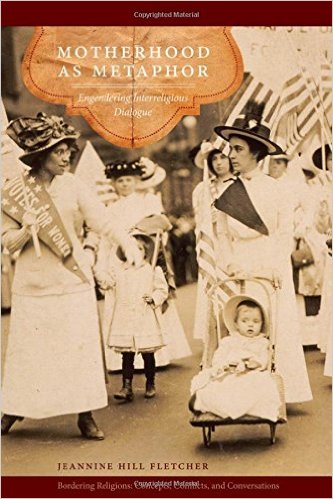
Engendering Interfaith Dialogue

Building Interfaith Bridges with Your Spouse
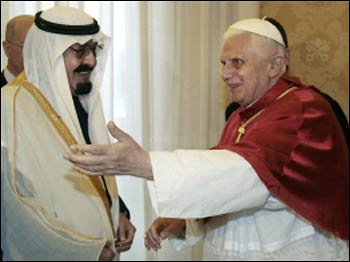
Celebrate World Interfaith Harmony Week – February 1-7

A few months ago, a random idea popped in my head: What if pastors interviewed atheists as part of their Sunday service? Having been a youth pastor at one point, and now an atheist, it was as if I was trying to connect two different stages of my life. More importantly, I thought about some of the benefits this might generate amongst atheists, pastors, and congregants alike.
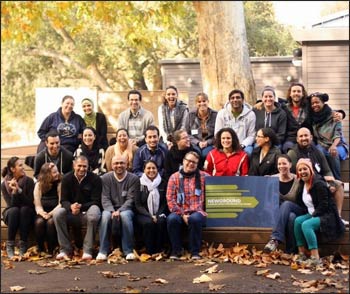
Can Jews and Muslims actually get along? For the average American, plagued by widespread misinformation and skewed biases from the media, this might seem nearly impossible. In light of the ubiquitous news of conflict in the Middle East, coexistence between these two faith traditions is often perceived as a lost cause. However, here in the Southern California an number of Jewish and Muslim communities are working in harmony towards peace and understanding.
Listening

by Chris Highland
One sunny Bay Area afternoon I was walking down a sidewalk under shade trees with my class of developmentally disabled adults.

by Sabrina N. Jafralie
My journey with religion and interfaith started before I was born. I am the child of parents who are culturally, racially, and religiously different.

by Ana Patel
Last year, while facilitating an experiential peacebuilding workshop, I invited the participants to try a listening exercise. Simple idea – simple activity. Participants were asked to divide into pairs, one listener and one speaker. The listeners were asked to spend three minutes listening to the speaker on climate change – keep eye contact, make encouraging gestures and sounds, but don’t interrupt. Then switch.

Interfaith Storytelling Empowers Young People


The North American Interfaith Network (NAIN) gathering in Phoenix, Arizona, last July included a visit to a Hindu temple where a meal was shared along with questions, stories, and new friendships, all depending on everyone listening very carefully to each other.
Respectful communication is at the heart of all interfaith gatherings. We know that it is one of the most important components for building relationships of peace and harmony across faith traditions and belief systems. The focus of this essay is on the importance of the art of listening in interfaith dialogue and practices that support us in becoming more effective listeners.
If we think of speaking and listening as two of the major elements of communication, most often speaking is thought of as the more powerful role; it certainly gets the most attention. My experience is that the role of listening is even more powerful, although one seldom recognized or understood. For example, we often hear someone comment “That was a really powerful speech.” I’ve never heard anyone say: “That was a really powerful way to listen.”
Skillsets

by Sally Mahé
At the birth of the United Religious Initiative (URI) 20 years ago, Appreciative Inquiry (AI), a transformational philosophy and methodology for positive change, served as midwife.

by Bee Moorhead
As the saying goes, “Everybody talks about the weather, but nobody does anything about it.” Talanoa Dialogue just might change that.

by Tahil Sharma
This past year felt like a constant uphill battle. I never realized the degree to which my friends, colleagues, and I would be fighting to keep justice and equity afloat in a world that seems to be increasingly sinking into darkness.

by Seán Rose
As an interfaith educator, trainer, and dialogue facilitator, Don’t Think Twice got me thinking about what improv can teach us about intercultural and interfaith work. Here are five principles which I believe can shape and inform great interfaith encounters.

by Cody Nielsen
Last month, I sat alone in the Pasquerilla Spiritual Center at Pennsylvania State College. I sat and cried for all the senseless acts of violence against Muslim, Christian, and Jewish communities across the nation and world…