

Young Adults
Beliefs

by Gabby Prado
Throughout my life, I’ve lived by the belief that my success and achievements are not solely mine but are deeply connected to the generations of my family who came before me…

by Vicki Garlock
Sometimes, a story is told more easily through art. That’s certainly the case for this Bulgarian-based interfaith and cultural exchange camp – the brainchild of Angelina Vladikova and Svetlana Karadzhova…

by Vicki Garlock
The changes that occur during adolescence and young adulthood are considerable, and most developmental psychologists acknowledge this important phase in a person’s life. For example, Erik Erikson (Childhood and Society, reissue, 1993), a well-known developmental psychologist in the 20th century, proposed that this developmental period is characterized by Identity vs. Role Confusion

by Katie Reis
I’m not a religious person. I was baptized a Catholic but slowly realized that many of Catholicism’s beliefs and principles did not fit my own. Over the years, I have explored many different religions. After I visited Japan as part of a student exchange program about a year ago, I became fascinated with Shintoism. Shinto beliefs are encapsulated by a perspective of seeing nature and the world in all its beauty.
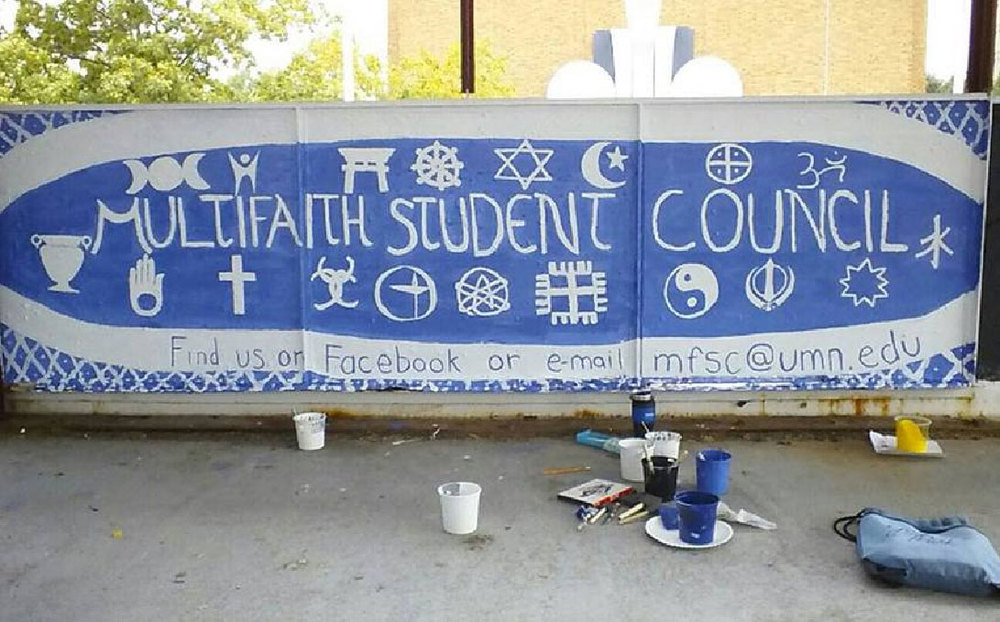

A recent study of young British Sikhs shows that while they may be digitally savvy and engage with religion on the Internet, for many of them, traditional offline community and authorities continue to play a central role.
My work life so far has focused on the youth and young adult communities in Muslim and Unitarian Universalist (UU) settings, and this essay is about the challenges they face. Many American faith communities face the problem of large elderly populations and small to non-existent populations of young people from 18 to 30. The Pew Forum reports that a third of the U.S. population under 30 now identifies as religiously unaffiliated. Clearly, faith communities are having trouble maintaining relationships with their estranged youth communities.
Social Media

by Elizabeth Dabney Hochman
The next generation is growing up online. We have seen countless studies about the amount of time kids spend engaging with digital media and the effects it has their development.

I first joined the interfaith movement as a precocious fifteen-year-old. With an English translation of the Qur’an in hand, I walked into a Christian Bible study at my high school and demanded that they help me get Muslims a space to pray during Ramadan. For me then, as it did throughout my time in college, interfaith activism meant something very clear: come together to build community, create safe space for meaningful dialogue, and act out the words of our scriptures to make change for the common good. Together, we squirmed at the thought of the emerging “slacktivist” movement, where activists use the internet as their main platform for their cause. The internet was just digital space, so how can it change anything?

Young Leaders

by Sofia Sayabalian & Cloë Poole
Two young leaders from the Center for Ecumenical and Interreligious Engagement (CEIE) attended their first Parliament of the World’s Religions event. It was held in Chicago…

An INTER Interview
One thing that breaks down barriers between people is sharing stories. When we hear someone’s story and hear their hopes and struggles, we can’t help but see their humanity.

by Miranda Hovemeyer
There’s a photo that I keep seeing posted on social media. I can’t find the original source, but it’s a photo of what appears to be a page from a book. On the page is written, “Being taught to avoid talking about politics and religion has led to a lack of understanding of politics and religion.

by Ibrahim Hirsi
Coming of age in Minneapolis, Fardosa Hassan dived with enthusiasm into any community-service opportunity that helped improve the city and society as a whole. The mere mention of Washburn High School in Minneapolis reminds Hassan of a host of community service activities she got involved with before she graduated in 2008.

by Elías González
Silence. Young people sitting in a circle. Prayers. “This is how it all began, with a prayer, by the hand of God. Like a dream.” Mexico City, one of the most populated cities on the planet, has historically been a land of encounter among cultures, civilizations, and religions.

by Jennifer Bailey
Several times a month, I have a standing lunch date with three of my favorite people. We gather online over laptops and our meals in Boston, New York, and Nashville to form what we have come to call our “community of praxis.”

by Ryan Polsky
“World Religions” is being taken to a whole new level in high schools across the country. Young interfaith activists are bringing it beyond the classroom to engage not only mind, but heart as well. These young grassroots activists are inspiring their peers to learn about different religions through clubs that promote dialogue and service.

by Noorjehan Asim
The moment I sat down at the dinner table, a little voice in my head began to scream. My instincts told me to run, but my body ignored them. I remained glued to the posh furniture that lined the hallway. Dining with Mr. Richard Olson, the U.S. Ambassador to Pakistan, was bound to be harrowing for any 15-year-old looking to make a lasting impression.

by Ariella Amit
As I was scrolling through my Facebook feed a few years ago, I came across a post encouraging Los Angeles youth to apply for membership on an Interfaith Council. I followed the link to the website reluctantly and began reading about the goals of the council. By the end of my interfaith research, I realized that being a privileged, white Jew living in Los Angeles, I have little exposure to different religions at all.


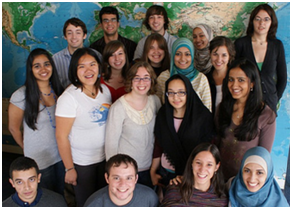

A simple discussion several years ago about how to celebrate the 45th anniversary of the Interreligious Council of Southern California‘s (IRC) led to exploring the importance of fostering stronger relationships and bridging the gap between the older and rising generations of faith-inspired leaders. It turned out these members of the IRC and the Center for Religion and Civic Culture (CRCC) at the University of Southern California had touched on a growing concern.

It is difficult to know where to turn to get accurate, interesting, creative, not to mention, meaty theological reflections exploring the social issues we face in the world today. The online forum State of Formation (SoF) offers such a place, and as the forum grows, the continuing legacy of writers, ideas, topics, and dialogue grows as well.

France’s Coexister Sends Young People into the World
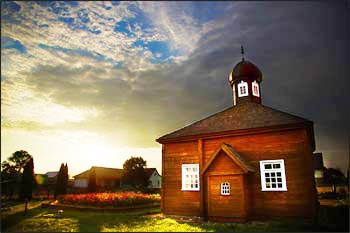
A Small Muslim Minority in Poland Making a Big Difference
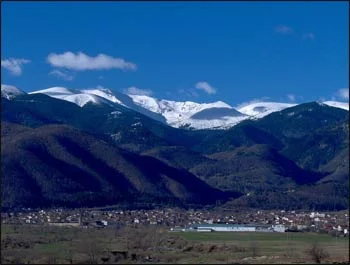
Finding a Pass Through the Mountains
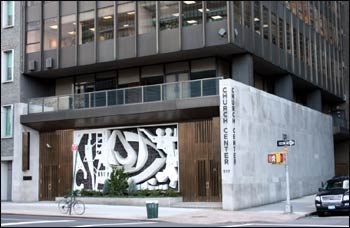
A French Interfaith Intern in New York City
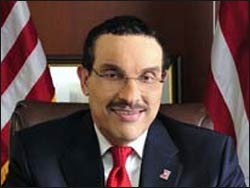
This year is going to be a big one for interfaith collaboration in our nation’s capital. And Millennials are going to be at the forefront.
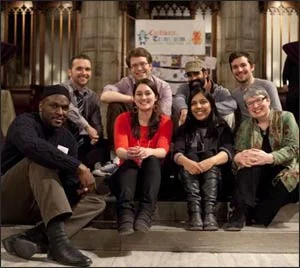
More than 120 students from colleges and universities across the U.S. and Canada braved wintry weather to participate in the sixth “Coming Together” conference (CT6), three days of interfaith dialogue and programming. CT6 was hosted last month at the University of Chicago by the Spiritual Life Office and Rockefeller Chapel.
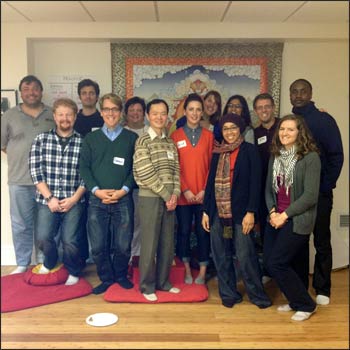
by Amina Malkin
When talking about religion, my father will sometimes talk about “the chosen people,” a title that Jewish people have historically adopted as a way to reference being descended from…