Whose Knowledge Counts? Gender, Climate and the Politics of Evidence
by Maurice A. Bloem, Andrés Martinez, and Nora Khalaf-Elledge
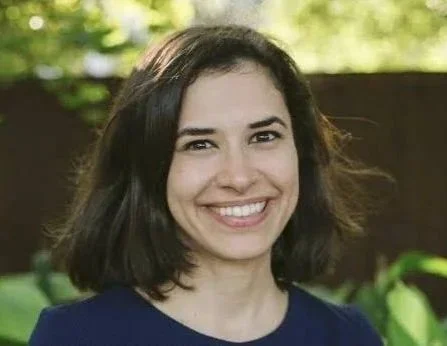
Climate change did not arrive in the Arctic through policy frameworks or global summits. It arrived through memory. Vera Solovyeva is an Indigenous Sakha woman from a small village in the Sakha Republic in northeast Russia, now living in Washington, DC. She’s a climate scientist and Indigenous researcher whose work focuses on the ways Indigenous peoples in Siberia and Alaska experience, observe, and adapt to climate change, and how their knowledge can shape locally grounded, just, and effective adaptation strategies.
“From my childhood memories, I knew that climate change was already starting in the 1970s. The Arctic is the region where warming is happening four times faster than the rest of the world, and my homeland is on permafrost, so the consequences are very vivid. As Indigenous people, we have a lot of knowledge, and we can successfully adapt, but we need help from the government, from the international community, and from science to support us with evidence that Indigenous people can actually manage these problems.”
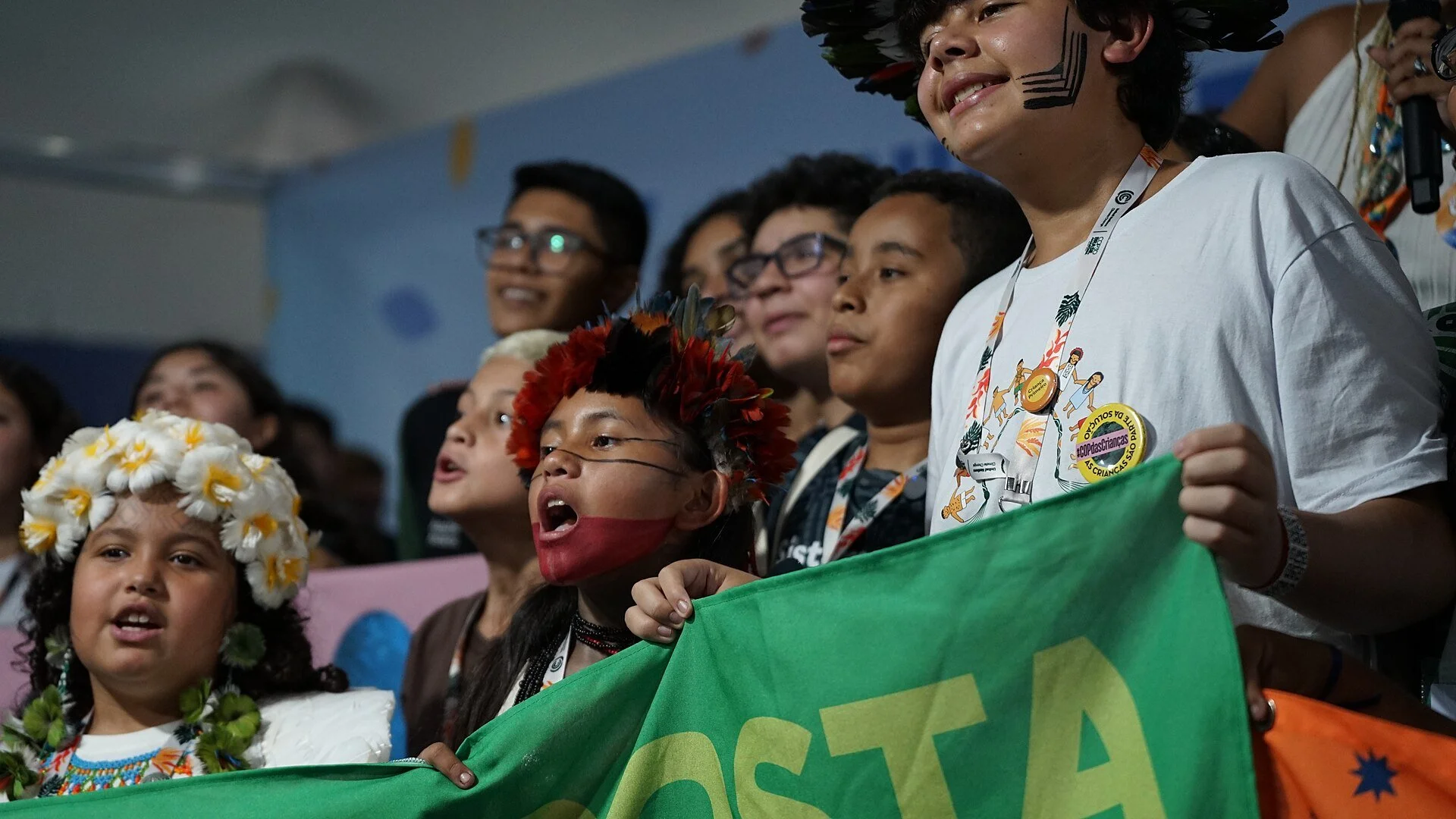
Vera’s testimony reminds us that what is often dismissed as “personal experience” has long been political, carrying evidence and moral weight well before climate change entered global policy frameworks — lived, remembered, and acted upon within households, communities, and faith infused moral worlds.
Vera’s memory of the impact of warming since the 1970s and her call for respectful partnerships gives moral weight to lived testimony, which can and should reframe policy questions and interventions. An evidence review conducted by the Joint Learning Initiative and Christian Aid shows the impact of climate stress in reorganizing household life, a change that often remains invisible to high-level discussions. The reshuffling of labor, care, and authority operates through what can be understood as gendered moral economies: everyday norms, narratives, and expectations that assign responsibility to women (usually on unpaid tasks) while men have to seek paid work elsewhere. This reshuffling lightens some pressures but frequently increases women’s labor while reducing their voice over resource scarcity.
Economic instability caused by climate change amplifies invisible pressures on women, such as increasing unpaid care and constraining choices, while creating environments where coercive arrangements can take hold and cascade over time. Yet, there is hope. Faith networks can operate as sources of practical relief and spiritual anchoring, which shape meaning, accompaniment, and community resilience where formal systems are absent.
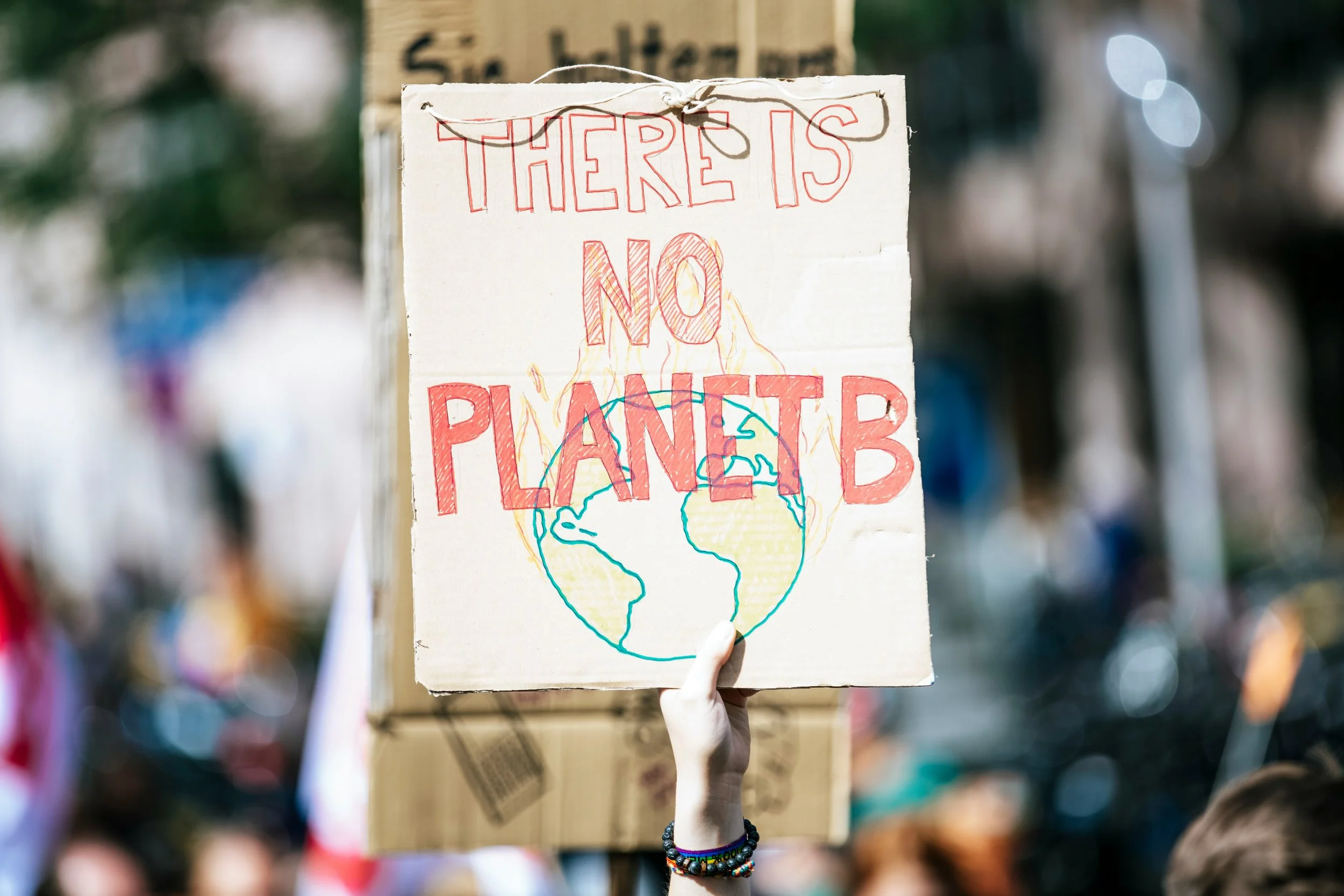
Photo by Markus Spiske on Unsplash
Mainstream narratives should therefore be treated with caution, as they often flatten layered realities, marginalize Indigenous knowledge, and under-record ritual and grief. This renders faith-based care invisible in most policy debates. Faith community inclusion ensures that policy decisions honor gendered household politics and recognize spiritual losses, while co-creating responses alongside local wisdom.
Climate stress affects power relations, protections, and exposure to violence. Evidence synthesized by JLI on faith and gender-based violence shows that periods of environmental and economic strain often heighten risks of intimate partner violence, early or forced marriage, and transactional arrangements, particularly where formal protection systems are weak.
These risks and responses are deeply shaped by religious norms, leadership, and community structures. Faith actors can reinforce gendered power, for example by legitimizing silence, endurance, or male authority. They can also challenge it by reframing harm as injustice and mobilizing protection and care. Across contexts, women’s faith-based networks are often the first line of support, offering shelter, mediation, and accompaniment when formal services are inaccessible.
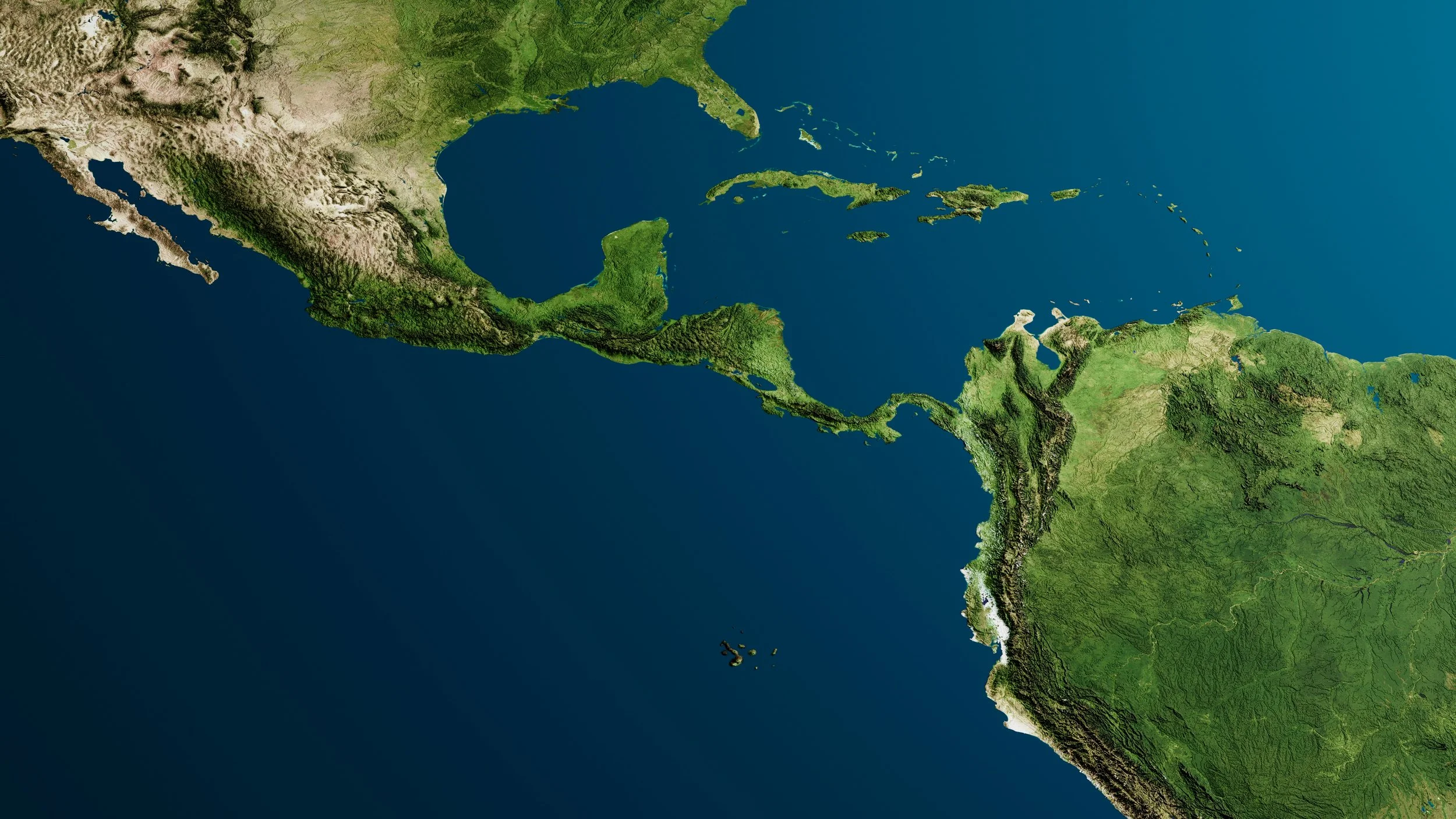
Texture Source : NASA
Climate stress and Gender-based violence (GBV) thus mutually intensify both vulnerability and resistance. Whether harm is compounded or interrupted depends on resources and relational realities: who holds authority and political power; whose voices are trusted; and which moral frameworks guide response. Taken together, these dynamics raise a deeper question about how evidence itself is produced and valued.
JLI’s State of the Evidence Navigator is being developed to surface not only what we know about climate, gender, and economic vulnerability, but also how knowledge is produced, valued, and mobilized. Across JLI’s evidence syntheses, a consistent pattern emerges: global policy debates are often shaped by data generated far from the communities most affected, while local, Indigenous, and faith-rooted knowledge remains underrecognized, undervalued, or treated as anecdotal.
The Navigator makes these power asymmetries visible. It investigates whose knowledge counts, who defines a problem, and which forms of evidence are considered legitimate. When faith practices, values, rituals, and experiences of loss or grief are excluded from evidence systems, policies risk misreading both vulnerability and resilience. This results in decisions about migration, protection, and adaptation that are framed narrowly, detached from the relational worlds in which they are embodied, as primarily technical choices rather than moral decisions negotiated within families, faith communities, and social hierarchies.
Positioned in response, JLI acts as a translator, working across local realities, global systems, and diverse faith traditions to bridge evidence and ethics in ways that support more just, equitable, grounded, and accountable responses.
Political responses to climate disruption, gender inequality and economic insecurity cannot rely on technical fixes alone, as these are experienced first in intimate spaces like homes, relationships and faith communities. Responses depend on inner capacities that shape how power is exercised, knowledge is received, and decisions are made. JLI’s IDG × FAITH initiative is a practitioner-led, evidence-informed effort to co-create faith-rooted expressions of the Inner Development Goals, recognizing religious traditions as long-standing sites of inner formation rather than treating faith communities as recipients of externally developed, secular models. Relational awareness is essential for navigating gendered tensions within households and communities, particularly under climate stress. Across faith traditions, spiritual practices of lament, discernment and accompaniment help communities process loss while sustaining moral agency. Preliminary findings from JLI’s emerging IDG x FAITH work highlight the capacities such as courage to confront hierarchy, humility to recognize our own biases and empathy to take seriously experiences that fall outside of our own contexts.
This is where “put down the duckie” becomes more than a metaphor. Borrowed from a simple children’s lesson about learning in which holding tightly to what feels familiar prevents new skills from being learned, it captures the need to temporarily release what feels safe or authoritative to listen, adapt, and engage differently. Applied to gender, climate, and economic injustice, it emphasizes that political transformation depends not only on new evidence or policies, but on inner flexibility such as the willingness to loosen entrenched habits of authority and re-enter relationships in more just ways. Without this inner shift, policy change risks reproducing existing inequalities.
Additionally, what emerges from our reflections is the need for different relationships with evidence. JLI’s evolving Theory of Change points to three interlinked commitments. First, strengthened religious and development literacy, enables policymakers and practitioners to become better equipped to engage faith-inspired social worlds without caricature or instrumentalization. Second, within inclusive evidence ecosystems, local, indigenous and faith-inspired knowledge is not treated as anecdotal but as analytically vital. Third, mutual learning communities, facilitate the flow of knowledge in multiple directions, ensuring economic injustice to become more grounded, legitimate and sustainable.
Vera’s story demonstrates what is possible when dignity, knowledge and community are taken seriously, as the starting point of policy. Her experience invites us to listen differently, to hear climate data alongside memory, migration decisions alongside moral worlds, and gendered risks alongside faith-inspired resilience.
For Indigenous communities like Vera’s, the personal has never been separate from the political. Power, survival, and meaning are lived through relationships with land, community, and the spiritual world. This directly challenges policy approaches that treat knowledge as detached or purely technical. If the personal is truly political, then our task is to change how we listen and how we know, before we act. Building evidence with communities rather than for them can open pathways of inner transformation which guide outer change, creating real, sustainable justice.