

Peacebuilding
Peacebuilding Organizations
by Frederica Helmiere
After my second child was born, I found myself yearning for a hearty dose of vocational discernment. Perhaps it was the presence of this new little life in our home that compelled me to reassess my own life’s calling, or perhaps it was a general growing dissatisfaction with my work that I could no longer ignore.

by Vicki Garlock
In a country often known for unspeakable violence and political strife, Buyondo Micheal offers a beacon of hope to those desperately seeking peace. As founder of Faiths Together Uganda (FTU), Micheal uses dance, music, and art to unify and delight. Inspired by global interfaith initiatives, he provides the funding and the energy for events that cross religious, cultural, and tribal divides.


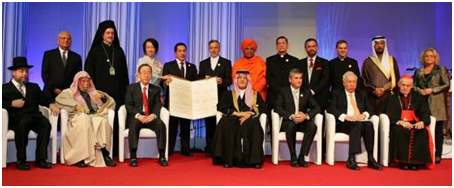


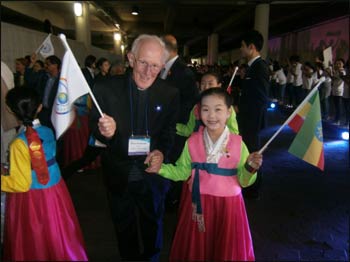
Last month I was glad to be invited to two significant interfaith gatherings, one in South Korea and the other in Southern India.
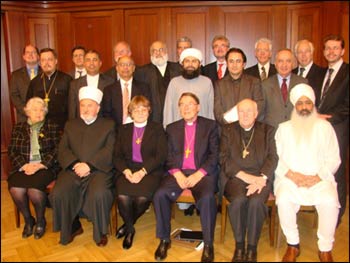
A Profile of the European Council of Religious Leaders

Report: Talking Back to Hate Campaign Activities 2013-2014
Peace X Peace Passing the Torch
A Practical Commitment to a Non-Violent Search for Peace


“War no more.” That was the hope that inspired Charles Bonney as he explained in his opening address to the 1893 World’s Parliament of Religions. Bonney believed that a major cause of conflict was “because the religious faiths of the world have most seriously misunderstood and misjudged each other.”i One hundred years later, Hans Küng declared that there would be “No peace in the world without peace between religions.”ii
Responding to Violence

by Marcus Braybrooke
Sympathy, empathy, compassion; my dictionary treats them as synonyms. Contributors to the important new book Confronting Religious Violence, however, suggest there are important differences.

by Ruth Broyde Sharone
Is the world becoming more compassionate or more hateful? This prickly question is eloquently answered in the opening paragraph of Charles Dickens’ classic tale of revolution in France, A Tale of Two Cities.

by Marcus Braybrooke
After the inauguration of the Interreligious Association for Peace and Development in Vienna last month, I visited the Mauthausen Concentration Camp.
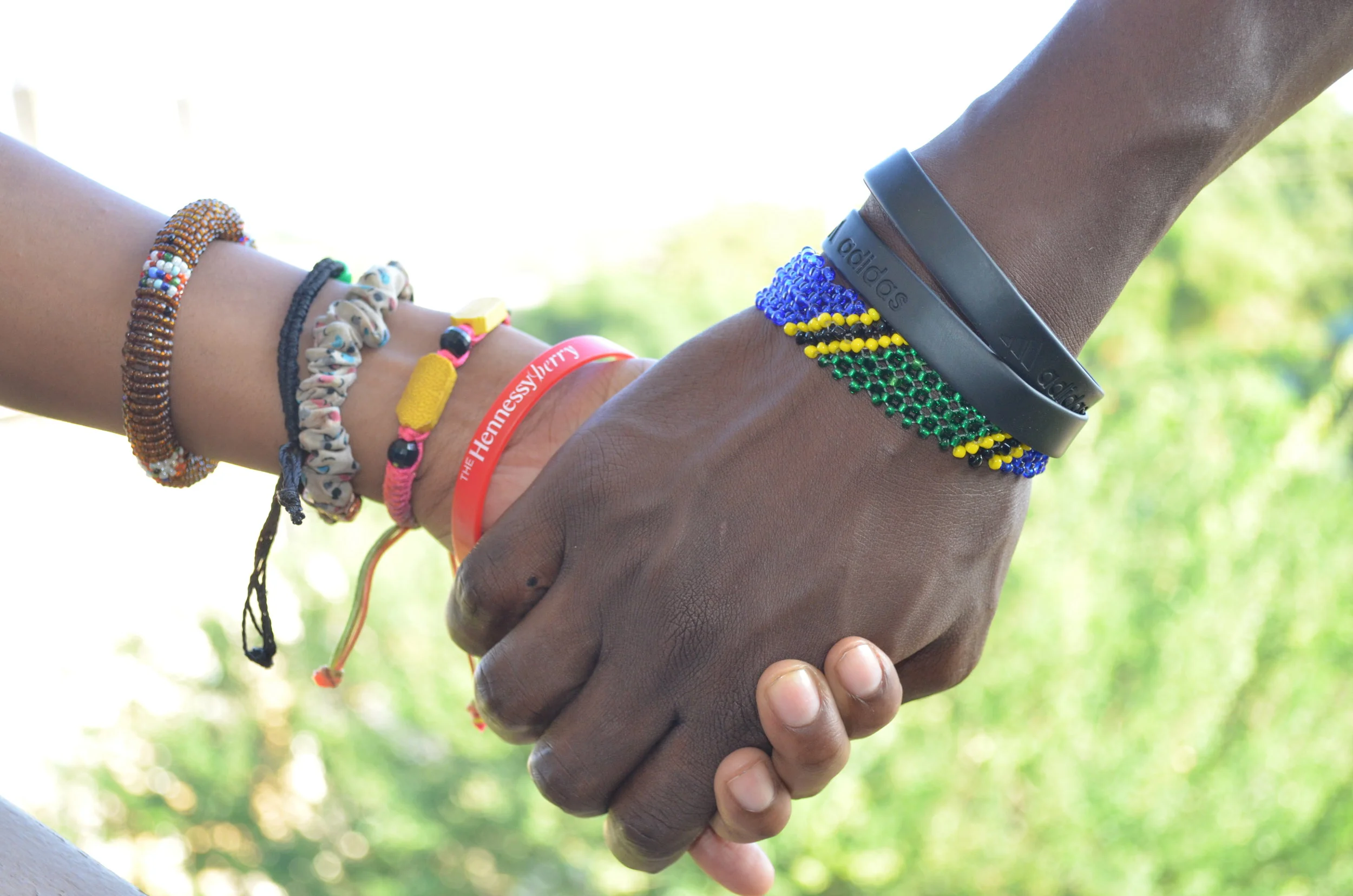
by Despina Namwembe
On the 31st of January, we left for the northern part of Uganda in a place called Adjumani (which borders Southern Sudan) to celebrate the Interfaith Harmony Week. We celebrated with our brothers and sisters who are now refugees in Uganda because of the insurgency going on in their country.

by Kira Zalan
Over the past three years, funded by a modest grant from the Dutch government, 16 women and the local organizations they run in Sudan have intervened in dozens of disputes and brokered solutions. In some cases, that meant building a freshwater well—in others, assistance in drafting laws and power-sharing agreements.

by Audri Scott Williams
Recently I decided to run for political office in 2018 for the state of Alabama. I will be a progressive Democratic candidate in Alabama’s Congressional District 2, for the U.S. House of Representatives. Friends who know me well have asked me, “Why are you running for a political office?”

by Marcus Braybrooke
The row over reading verses of the Qur’an in a Cathedral in Scotland has, I gather, reached across the Atlantic. Certainly the Cathedral has had a lot of abusive online messages from the U.S.A. During an Epiphany service at the Cathedral a Muslim law student was invited to read the Qur’anic account of the birth of Jesus, which also says, as Muslims believe, that Jesus was a prophet but not divine.


by Michael Reid Trice
Twenty fifteen is a year for remembering massacre. This past July marked the twentieth summer since the summary executions in the municipality and town of Srebrenica, where over 8,000 Bosnian Muslims…


PULASKI, Tennessee – There will be peace in Israel and Palestine, Professor Yehezkel Landau – founder of a joint Jewish-Palestinian-Christian peace initiative in Israel – told a small group of Middle Tennessee religious leaders during the first evening of a three-day conference, Our Muslim Neighbor Initiative. But religious leaders must be part of building that peace.
A complex history of religious, political, and ethnically based conflict has now thrust the world into a wrenching conversation around the significance of a terrorist organization calling itself the Islamic State (known by other acronyms such as ISIL or ISIS or simply IS). Here in the U.S., this conversation has broadened to a more volatile discussion around religion, secularization, Islam and human rights.
Moderate Muslims and interfaith activists are regularly, persistently asked the question: Why don’t your leaders step forward and protest the advancing threat of Islamic extremism? Especially in light of troubling headlines from Iraq and Syria in recent weeks?
In fact, American Muslims have established dedicated websites brimming with articles and YouTube segments by prominent Muslims leaders, citing the Quran and full of harsh condemnation against religious extremism – websites mostly unknown to the greater public. Heretics have “high-jacked” their religion and caused Muslims in America and the world to be targets of Islamophobia, and they are raising their voices. Only recently have major media started to pay attention.
Fr. John Dear Dismissed from Jesuits
Teaching Peacebuilding Skills
by Michael Ramos
The Trappist monk, Thomas Merton, who passed away fifty years ago last year, is remembered largely for his prolific spiritual writing from the cloistered monastery. Yet his writing on nuclear weapons and peace still…

by Lidiia Batig
In 2013 the history of Ukraine changed dramatically. Communities had been betrayed by state power, by their own politicians, and even their president.

by Ruth Broyde Sharone
The iconic image of a male storyteller addressing an enraptured audience pressed shoulder to shoulder around a glowing campfire may soon be replaced by hijab and sari-clad young women holding their smart phones.

by Paul Chaffee
Interfaith Made Easy may initially inspire caustic remarks like “then it can’t be much about interfaith.” A closer look by either novice or seasoned interfaith activists is likely to inspire awe and appreciation.

by Victor Kazanjian
On Christmas Eve, people across the United States and around the world gathered to watch “May Peace Prevail on Earth: An Interfaith Christmas Special,” broadcast on CBS stations nationally and streamed online internationally by the United Religions Initiative who produced the program. At first glance, “an Interfaith Christmas” seems a strange contradiction.

by Tahil Sharma
This past year felt like a constant uphill battle. I never realized the degree to which my friends, colleagues, and I would be fighting to keep justice and equity afloat in a world that seems to be increasingly sinking into darkness.

by Ana Patel
Last year, while facilitating an experiential peacebuilding workshop, I invited the participants to try a listening exercise. Simple idea – simple activity. Participants were asked to divide into pairs, one listener and one speaker. The listeners were asked to spend three minutes listening to the speaker on climate change – keep eye contact, make encouraging gestures and sounds, but don’t interrupt. Then switch.



“The camp was a life-changing experience for me. It was the most fun I’ve ever had. It was the most eye-opening experience I’ve ever had. And I made some of the best friends I will ever have.”
– Tamar, American 14-year-old
New Resource to End Online Hate-Speech
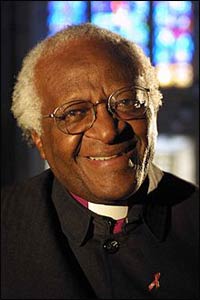
Seeking Out Truth and Reconciliation
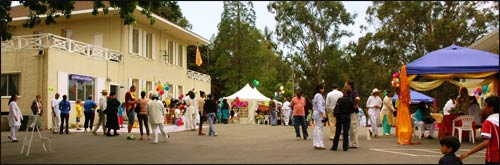
A Gift from BK Sister Elizabeth Padilla

Review – Cultivating Peace by James O’Dea

The Path Ahead for a Challenging New Field
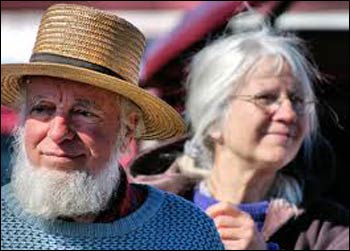
Review: Muslim, Christian, Jew: The Oneness of God and the Unity of Our Faith by Art Gish
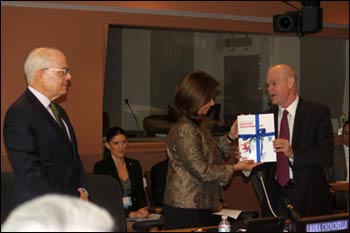
Costa Rica Partners with RFP for Nuclear Disarmament

This report is republished from the Euphrates Newsletter regarding the meeting between Ron Edry and Majid Nowrouzi, citizen peacemakers who have inspired each other but never met, at the Public Affairs Conference 2013 at Principia College in Illinois last month. Janessa Gans-Wilder, founder of the Euphrates Institute, is on the faculty at Principia. Ed.
by Paul Chaffee
What does living life as an ‘interfaith activist’ mean? Millions have joined the cause in recent months, so we can well ask ourselves: What do interfaith activists share in common within our own communities and in the world? A quick, simplistic answer might be that all of us are striving towards peacemaking with ‘the other.’