No Neutral Ground: Gender, Climate, and the Cost of Complicity
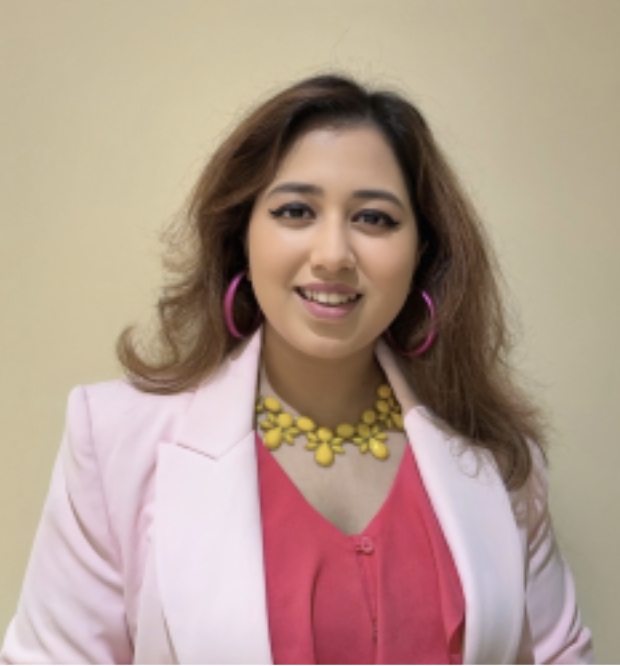
by Kehkashan Basu
We can no longer afford neutrality.
Not when women and girls are being denied their fundamental human rights.
Not when the rights of Mother Earth and all her creatures to exist, regenerate, and sustain life are being stripped away.
Not when we live within an economic system that rewards the ultra-rich for exploiting the rest of humanity and the planet itself.
The global economic order is not neutral. It is largely designed and governed by a white, cisheteropatriarchal power structure that concentrates wealth upward while externalizing harm downward onto women, girls, Indigenous peoples, racialized communities, people of the 2SLGBTQIA+ communities, and ecosystems. It commodifies labour, land, and life. Climate change is not an accidental side effect of this system; it is one of its most visible outcomes.
Herein lies the question: if the systems that shape our lives are not neutral, then how can our response to them be neutral? Neutrality in this context only reinforces what is already unjust. This means that when economies are built on extraction, the planet pays the price. When the planet destabilizes, women and girls pay first.
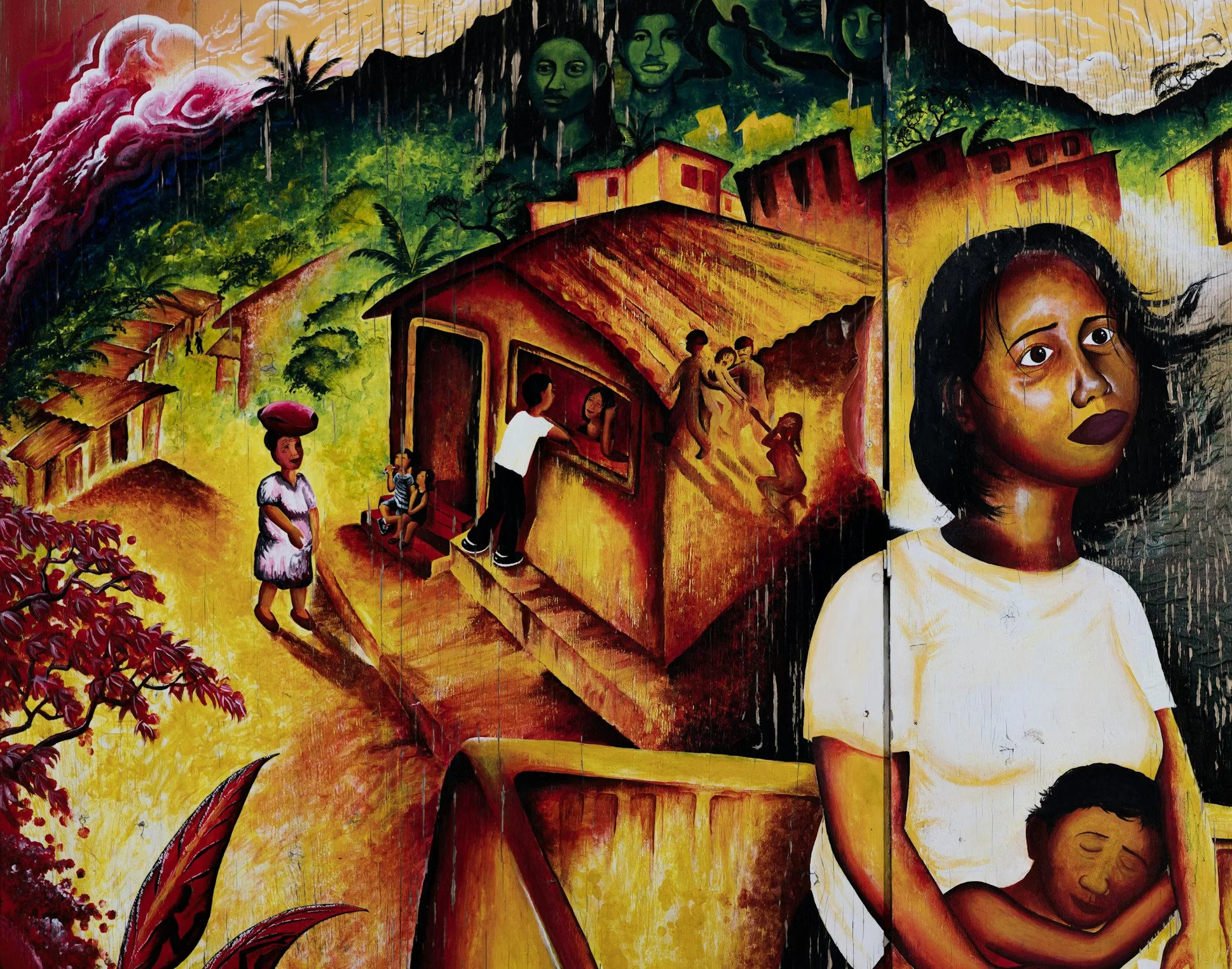
In the world’s most vulnerable communities, climate disruption does not arrive as an abstract crisis, but as daily survival. Drought empties wells. Floods erase homes. Heat makes work dangerous. Storms force migration. As resources grow scarce, gender inequality deepens. I witnessed this firsthand while working with communities in Suriname, where I met a young girl standing outside her classroom holding a baby in her arms. She watched the lesson through the doorway but could not enter because, as the eldest daughter, she had been pulled out of school to care for her younger siblings while her parents travelled farther each day in search of work after climate disruptions had affected their livelihoods. Her story is not unusual. Girls are pulled from school to shoulder unpaid labour. Women absorb the burden of care without protection or recognition. Families under economic stress are pushed into impossible decisions that too often sacrifice girls’ futures in the name of short-term survival.

As the Founder-President of Green Hope Foundation, a grassroots organization working across 29 countries and reaching over half a million people, I write as a practitioner who has learned through lived experience that neutrality in any one of these crises reinforces injustice across all. At Green Hope Foundation, we work at the intersection of climate justice, gender equality, and sustainable development, implementing community-led solutions such as access to clean energy, safe water and sanitation, climate-resilient agriculture, and education for girls. My decision to found the organization was shaped by the values I grew up with - rooted in my Hindu faith and an interfaith upbringing - which taught me that the Earth is sacred and never a resource to exploit. In Hindu philosophy, the Earth is revered as Bhoomi Devi, the living embodiment of the planet. At the age of seven, I had seen a picture of a dead bird with its belly full of plastic – plastic that had been discarded by humans. I remember feeling a profound sense of injustice that one small creature had to suffer because of human carelessness. In that moment, the teachings I had grown up with - that all life is sacred and interconnected - became real to me. This led me to plant my first tree on my eighth birthday, and that act became the first step in a lifelong commitment to environmental and social justice.
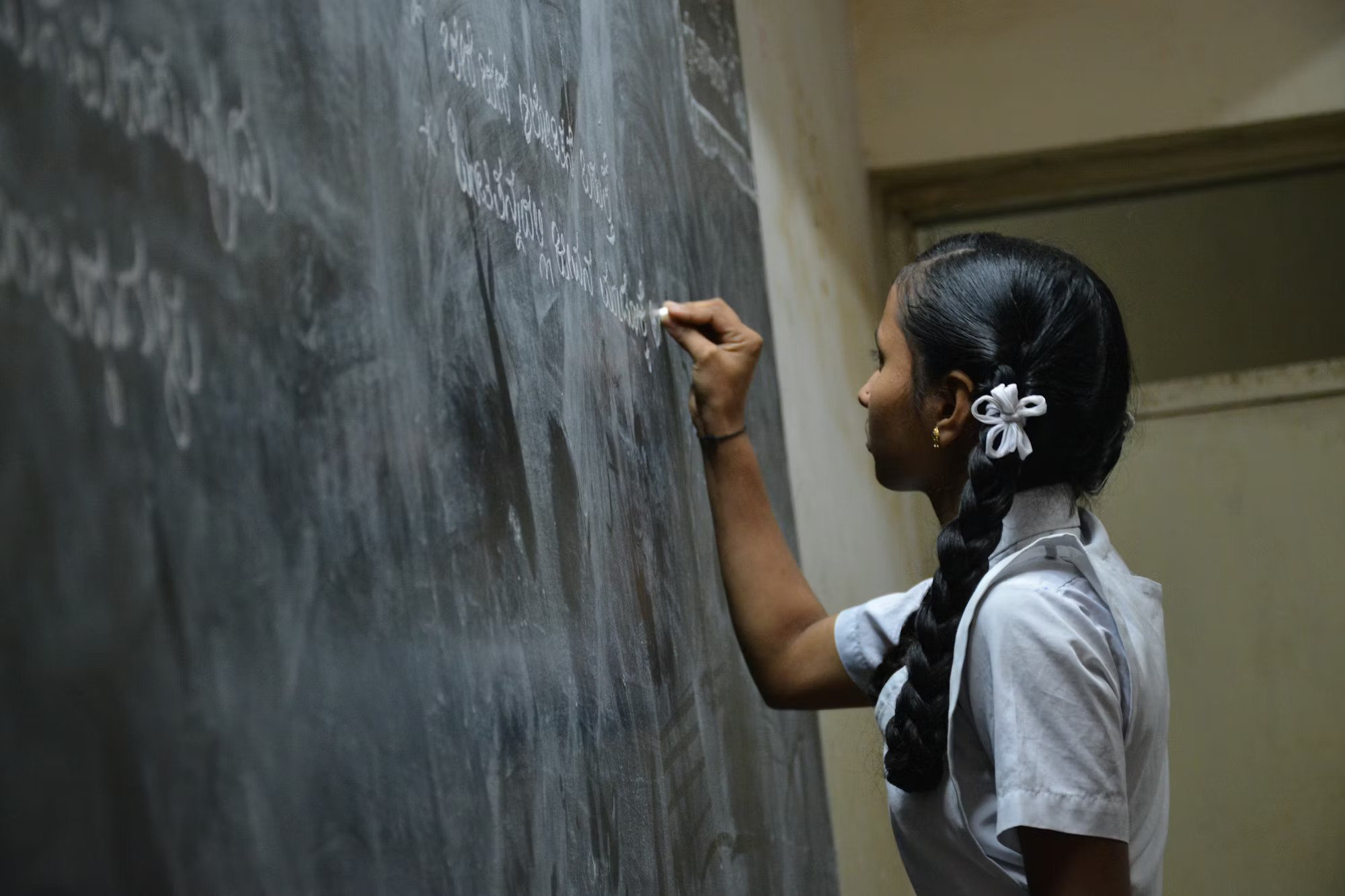
That understanding set the course of my life and continues to guide my work through Green Hope Foundation’s initiatives. In many of the communities where we work, the absence of basic infrastructure disproportionately harms women and girls. Through our programs in rural Bangladesh and in the Sundarbans of India - the world’s largest mangrove forest - Green Hope Foundation has constructed safe sanitation facilities so that women and girls no longer have to risk snake bites, harassment, or assault by relieving themselves in open fields at night. With access to toilets and clean water, girls are able to remain in school with dignity and safety instead of being pulled out of education due to stigma or risk. Similarly, Green Hope Foundation has installed solar-powered energy systems in schools and community centers in countries such as Liberia and Cambodia, enabling classrooms to remain open after sunset and creating new opportunities for women and girls to access education and skills training. The solar streetlights installed through our programs in these rural communities have additionally created safer public spaces for women and girls after dark. These outcomes are not abstract ideals; they are lived transformations. They demonstrate that when systems are redesigned with justice and dignity at their center, communities stabilize and inequality begins to recede.
This is why the theme Personal-as-Political matters to me so deeply. Climate change is personal. Gender injustice is personal. Economic exploitation is personal. These forces are felt in bodies, in households, in classrooms, and in fields - in the quiet calculations of who eats, who waits, and who is allowed to dream.
It is at this point that neutrality collapses. I am unapologetic about where I stand as an ecofeminist, recognizing that the same systems that exploit the Earth also disproportionately harm women and girls - treating both the planet and marginalized bodies as resources to be extracted rather than lives to be protected. My work has repeatedly shown that climate injustice and gender inequality are not separate struggles, but interconnected realities that must be addressed together. I am proud of my commitment to justice for people and planet, and I refuse to dilute it for comfort or approval. Naming harm directly, by challenging systems that profit from exploitation and insisting on dignity and life, is an act of ethical responsibility. Neutrality, in moments like these, does not preserve balance: it preserves harm. Speaking out against these systems has come at a cost. I have faced sustained cyberbullying, threats, harassment, and stalking for challenging the status quo. I have been targeted because of my age, my gender, my race, and my refusal to be silent. These attacks are designed to exhaust, intimidate, and silence those who question entrenched power.
Yet backing down has never been an option for me. If those of us who see the harm retreat, who will carry this work forward? If fear is allowed to dictate our response, injustice wins by default. The goal of intimidation is not disagreement: it is disappearance. Refusing to disappear is itself an act of resistance.
Interfaith and values-based leadership today can no longer stop at dialogue or symbolism. It must translate shared values into action by standing publicly for human and planetary rights, supporting policies that protect vulnerable communities and ecosystems, and investing in solutions that place women and girls at the center of climate resilience. Leadership beyond symbolism means working with communities on the frontlines – to support education, sustainable livelihoods, and clean energy access - while using moral authority to challenge systems that profit from exploitation. When faith and values-based leaders move from words to tangible action, they help reshape the economic and social structures that sustain injustice and demonstrate that climate justice, gender justice, and economic justice are inseparable.
The challenges that face us are daunting, but they are not insurmountable. History has continually shown us that progress has never come from neutrality, but from people who choose courage over comfort, solidarity over silence, and justice over convenience. Progress comes from those who remain steadfast in their values when it would be easier to step back.
There is no neutral ground when lives are at stake.
There is no neutrality when the planet is being pushed beyond its limits.
The question is no longer whether we will take a side. The question is whether we will have the strength to take the right one - and refuse to look away.