The Courage to Love Through the Mess of it All
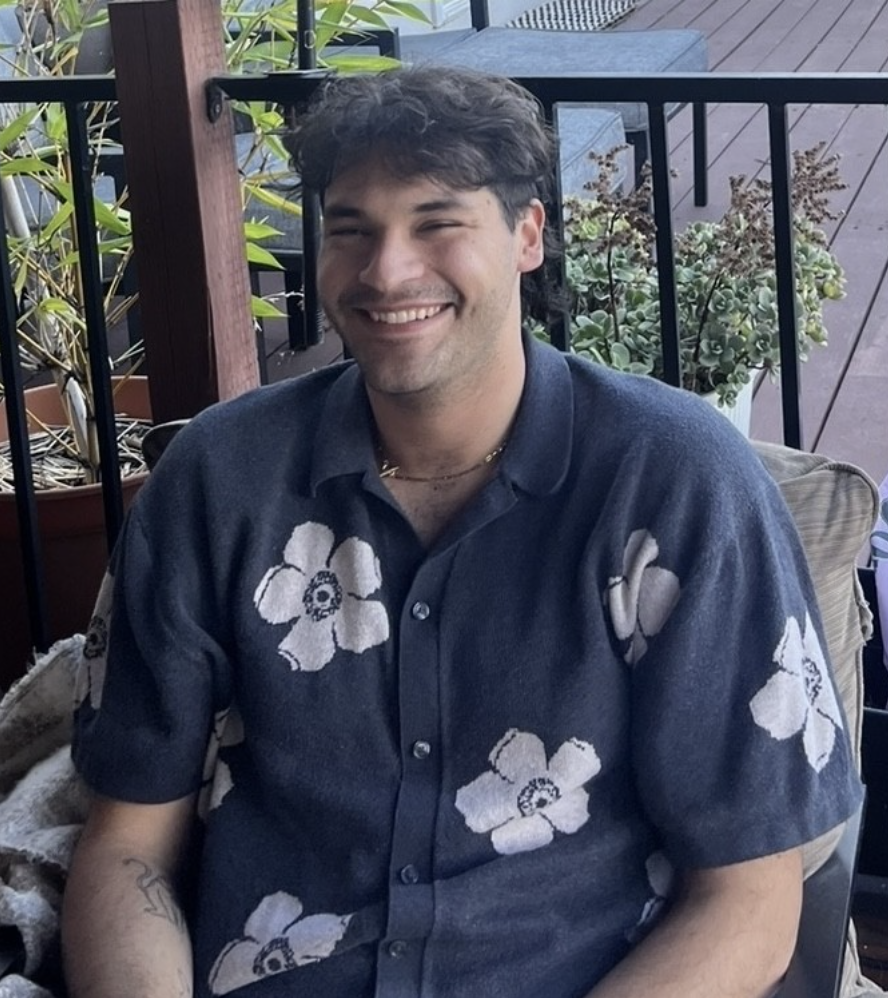
by Joseph Dyer
When I was asked to contribute to The Interfaith Observer, I felt tasked with making a resounding declaration about what was required to foster belonging. Originally, I wanted to write about insecurity and how we must work to overcome it to find belonging in our communities, homes, and selves. But as I began to think about it more, I felt guilty and insincere. I still carry deep-seated insecurities. So, telling everyone “Don’t be insecure” was never really going to foster belonging. I had to pause and be honest with myself and you all. And in that moment of reflection, I asked a more vulnerable question: What if belonging and security are found in a radical acceptance of the ambiguous and messy contradictions within ourselves and our social systems? What would happen if we collectively named and unpacked the nuances in life with a lens of empathy and accountability? I’m continuing to learn that when we move through the world with a little more “and” rather than “or,” we create the space for people and perspectives to co-exist.
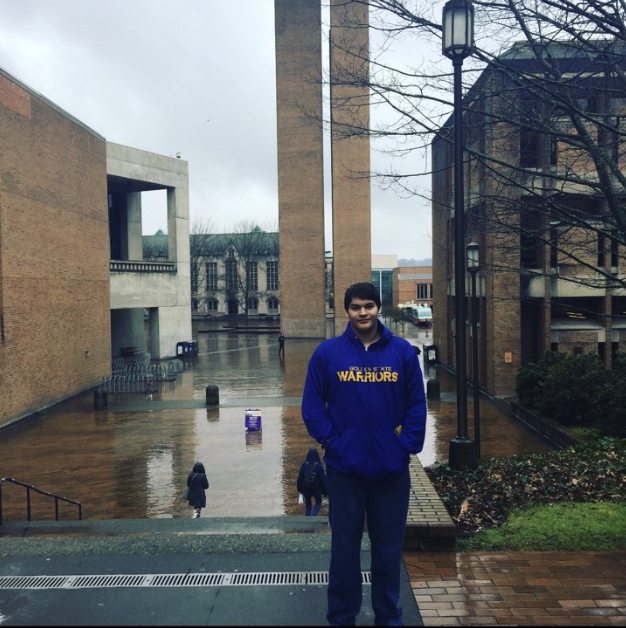
For much of my life, I’ve struggled to understand what this kind of coexistence looks like. While we are socialized to live in black and white, the world looks a lot grayer than we’d often like. The intersection of misogyny, racism, and capitalism, will tell us we are SUPPOSED to behave and think in a certain way. So many of us are given roles based solely on identity. And some are lucky enough to be given roles that are much easier to embody than others. Growing up, I had the privilege to play my role with relative ease. Being socialized as white and male, not a lot was expected of me. If I was kind and got good grades, I could be ignored and focus my energy on surviving a dysfunctional home life. But when I left for college, I felt this emptiness, like parts of me were missing. Even though I was “successful” in my role, I wasn’t a full person because I was only acting the parts that were asked of me. The ambiguity of my own identity wasn’t really held with the care I needed, nor did I receive adequate education around holding these parts of myself. I navigate multiple dimensions of identity that I call “in-between” identities; I’m half-Mexican, I have unseen mental disabilities, and I’m queer and non-binary (only realizing such after going to college). And so, with all these parts of me, it was always easier to just get in line and play my role, ignore the nuance, and just conform. But now that I have a greater understanding of myself, it’s hard not to feel insecure in all of this. I want to be proud of who I am, but feeling like I started late and having experienced explicit and implicit messages that these parts of me aren’t valid, I don’t always feel like I belong.
So, what do you do when you don’t feel secure in your own sense of self? The first tendency might be to ask for help. And while we need community to find belonging, this is where insecurity can create unintended harm. When we experience insecurity while living with identities that have historical privilege (whiteness, male body, high socioeconomic background, etc.), we can inadvertently place the burden of validation on external parties. While we may understand how the parts of ourselves that are historically marginalized can lead to forms of internalized oppression (core beliefs that we are less-than), the parts of us that are historically privileged can result in internalized dominance (core beliefs that we are more-than). Through generations of social conditioning, those who hold privileged identities are more likely to assume they are entitled to social capital in the form of belonging and recognition. Failing to recognize privilege manifesting in this way creates blind spots in how we advocate for belonging. We all deserve belonging. But if we instead feel that we are entitled to it, we end up centering our lived experience in a way that keeps the most marginalized on the margins, ultimately reinforcing the same oppressive systems that we are experiencing pain from. My marginalization is not an exemption from my power and privilege. I still struggle to belong, but that doesn’t mean I can’t do my best to accept myself as complete or incomplete as I may feel.
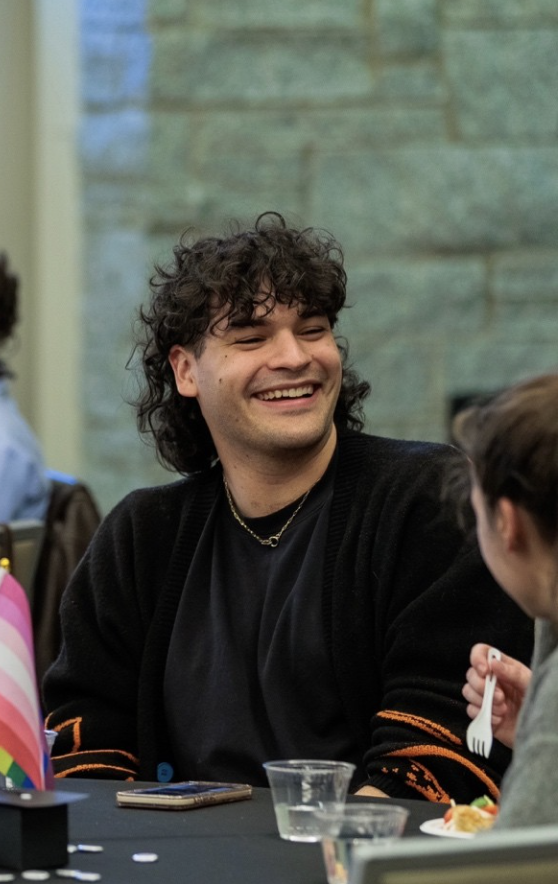
Working through the multiple parts of ourselves is not easy work, but it all comes back to a beautiful dance of empathy and accountability. Inside my mind and soul are generations of painful experiences from oppressive systems. It’s hard not to feel lost and overwhelmed. But without a sense of acceptance and understanding for my own pain and shortcomings, I will never be able to offer the same to others. Self-acceptance doesn’t mean excusing the ways we cause harm. It means having enough compassion to look honestly at those parts without turning away. True belonging doesn’t require us to discard the parts of us we don’t like and keep the ones we do. It requires the courage to hold the contradictions; to acknowledge where we’ve been harmed without losing sight of where we hold power; to have empathy for social conditioning we didn’t ask for, while taking accountability for the ways in which that social conditioning can cause harm.
So, I ask you all, how can you practice the courage to love and accept yourself through all the complex and overwhelming mess? How can you show yourself enough honesty to investigate your own relationship with marginalization, privilege, and the intersection of the two? It’s all a journey. I will continue to move through the world with my “in-between” identities that create personal insecurity, and I will hold my power with consistent and thoughtful accountability. When I can vulnerably acknowledge all the good, bad, marginalized, and privileged parts of myself, I can move through the world with a greater sense of resilience and acceptance.
In the 51st Section of Song of Myself by Walt Whitman, he profoundly declares, “I am large, I contain multitudes.” We are all so much larger than our pre-defined roles. By accepting our messy multitudes, we can co-create a new world. One that exists beyond these roles, where we are equipped with empathy and humility to create space for all perspectives and lived experiences.