

by Daniel Bellerose
Bumping down the red dirt roads in East Africa, my wife and I made our weekly voyage to the city of Iringa. Our driver was Eliah, a biologist, birder, and devout…

by Sofia Sayabalian
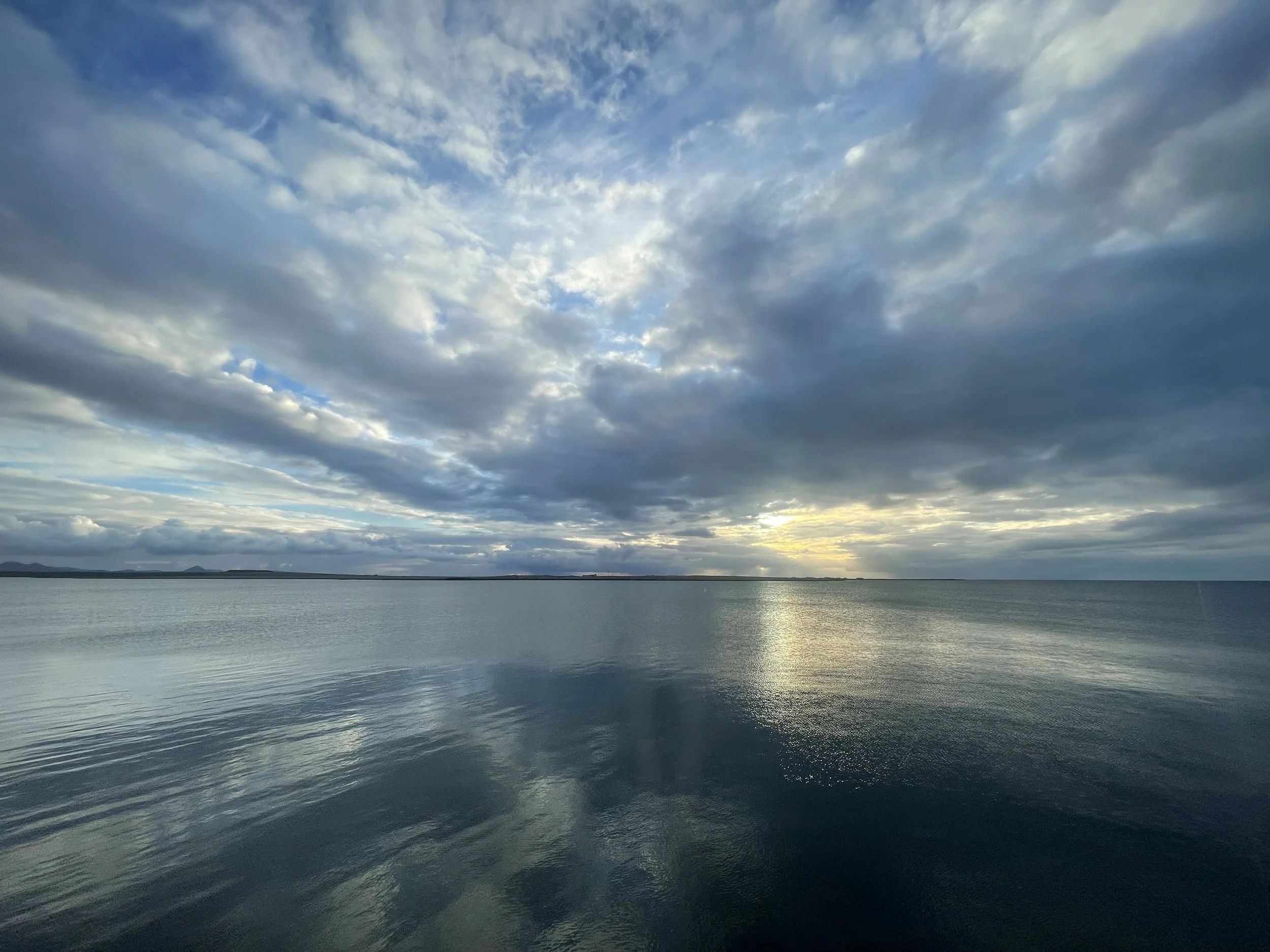
Having the opportunity to visit Reykjavík, Iceland was a special one. I always thought of Iceland as an isolated place–far, freezing, and frosted with whispers…
by Frank DiGirolamo
“Wow! … You just listened to my whole anthem.” It was late at night, years ago, on North Broadway in Capitol Hill. “Miguel” had just recited his life story to me for a good 20 minutes…
by Camila Torres
When I was a child, I was terrified of the dark. I hated going to sleep, because, once the lights turned off, the sheer possibility of encountering a monster kept me awake…
by Amina Malkin
When talking about religion, my father will sometimes talk about “the chosen people,” a title that Jewish people have historically adopted as a way to reference being descended from…
by Daniel Bellerose
Bumping down the red dirt roads in East Africa, my wife and I made our weekly voyage to the city of Iringa. Our driver was Eliah, a biologist, birder, and devout…
by Ruth Broyde Sharone
In a quest to uncover and promote interfaith engagement around the globe, many roads have led me – unexpectedly – to Morocco, a monarchy ruled by a young king. One of the most liberal Muslim countries in the Middle East, Morocco reflects a unique culture of Arab, indigenous Berber, Sub-Saharan African, and European influences and simultaneously supports a refreshing integration of ancient traditions with a modern outlook.
by Don Frew
In 2005, I attended the annual meeting of the Global Council of the United Religions Initiative. That year, it was held at a retreat center near Seoul, South Korea. One day, we took a long bus ride to the Buddhist monastery of Haensa, during which I sat with Monica Willard, URI’s representative at the United Nations.
by Paul Chaffee, Editor
Squeezing in a prayer on a comfortable day in a self-satisfied life is more difficult than turning to the Spirit (however that happens on your path) in times that seem bleak, broken, and hopeless.
by Patricia Adams Farmer
Being present, the most basic attitude for the spiritual pilgrim, is not an easy practice. For being present means not only letting the bright gladness of summer daisies seep into our souls; it also means a face-to-face encounter with the fears that haunt our days.
by Philip Goldberg
Adapting the perennial wisdom of the Yoga tradition to contemporary life and a diversity of religious and spiritual perspectives is, and always will be, a work in progress. It is also a highly individual project, with few one-size-fits-all answers to the conundrums and challenges that arise. That’s why the Upanishads call the spiritual path a razor’s edge: You have to tread carefully, with keen vision, intellectual discernment, acute intuition, and a really good sense of balance.
by Katie Reis
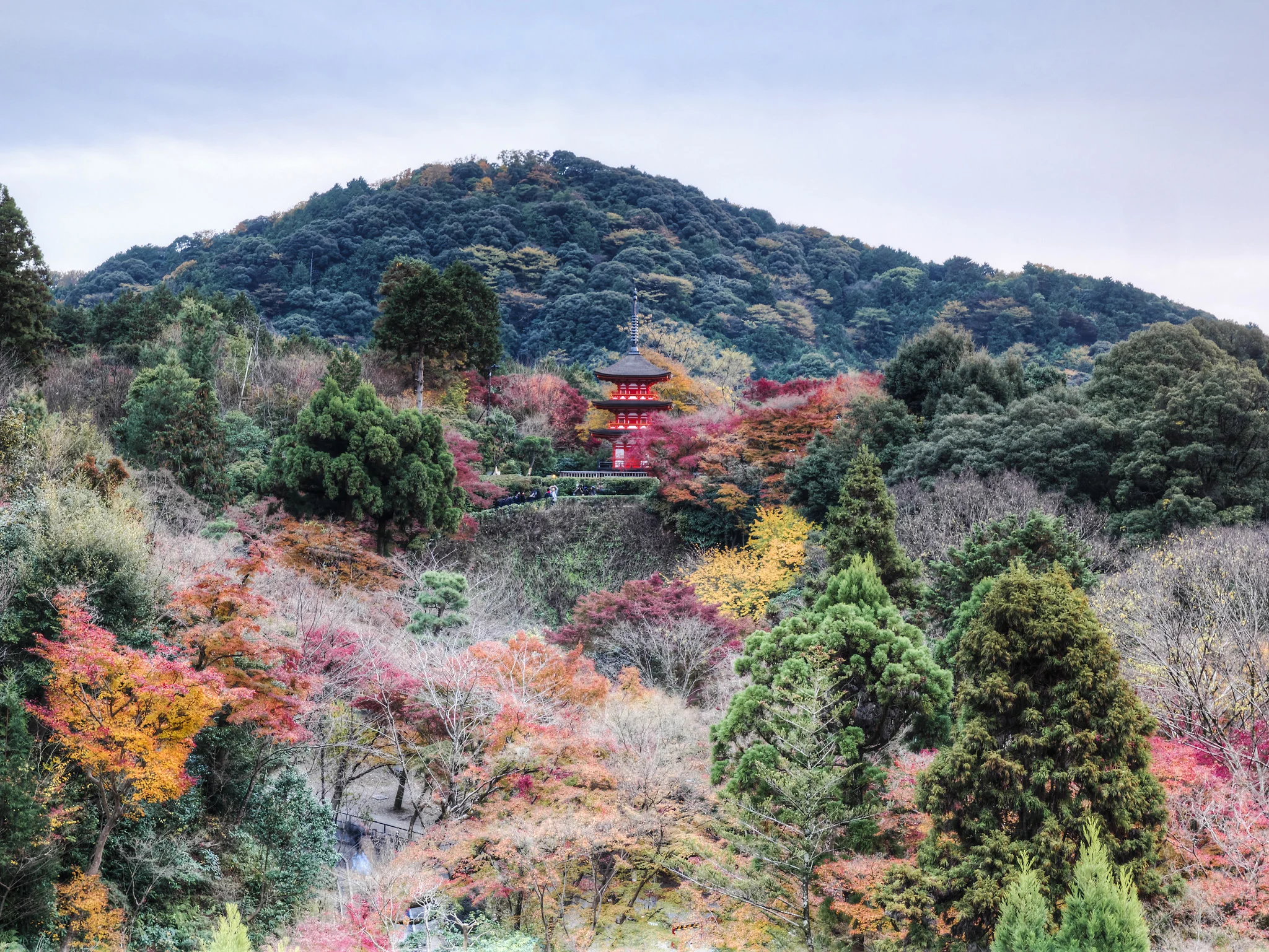
I’m not a religious person. I was baptized a Catholic but slowly realized that many of Catholicism’s beliefs and principles did not fit my own. Over the years, I have explored many different religions. After I visited Japan as part of a student exchange program about a year ago, I became fascinated with Shintoism. Shinto beliefs are encapsulated by a perspective of seeing nature and the world in all its beauty.
by Kurt Johnson
Br. Wayne Teasdale is famous for his “interspiritual” worldview embracing all the spiritual narratives of the world as one collective heritage, arising historically from the conscious experience of our species, and seeks to draw from these resources the tools for altruistic behaviors that can actually build a world so envisioned.
by Ruth Broyde Sharone
“Religion is dead.” I winced as if I had experienced a body blow when I heard these words, delivered by one of the keynote speakers at an interspiritual conference on the East Coast three years ago.The keynote speaker happened to be a friend of mine, a cable show producer who for decades has extoled and promoted the “spiritual-but-not-religious” movement, a growing phenomena that has challenged the value and significance of traditional religions in our times.
by Marcus Braybrooke
Brother Bede Griffith’s (1906-1993) life of physical and spiritual exploration has been important in the spiritual journeys of many, many people, including myself. He was one of the first spiritually resonant models for those of us engaged in interfaith activities more than 50 years ago. His life suggested that one could be spiritually grounded and thriving in more than one tradition at the same time.
by Kathe Schaaf and Kay Lindahl
We are living in a time of profound spiritual crisis – and opportunity. As old systems break down, it is clear patriarchy is no longer a viable option. Everywhere around us we see the harm and imbalance that has resulted from the lost wisdom of the feminine on this planet. How can we animate a powerful wave of feminine spiritual leadership that will ground and nurture a new way of being on this planet now?
For at least 12,000 years, since the end of the ice ages, humanity has been on a journey of separation – pulling back from nature and becoming ever more differentiated, individuated, and empowered. In recent decades, we have become so dominant as a species that we are producing Earth-changing trends – global warming, species extinction, unsustainable population, massive famines, waves of migration, and more – that threaten humanity’s future.
by Vicki Garlock
Kids love to explore. And a quick look at any summer camp guide will support that claim. Last summer, kids in our area could attend Camp Explorer, Camp Eco-Explorer, Camp Adventure, Camp Discovery, Camp Run Wild, Camp Invention, or Nature Adventures, to name just a few!
by Paul Chaffee, Editor
The decision to devote the September TIO to eco-justice came months before Harvey, Irma, and Jose ravaged the Caribbean, Texas, Florida, and eastern Mexico with torrential wind and water, before all-time heat records in the West sparked hundreds of fires...
by Nimai Agarwal
When I was eight years old, my parents used to take me to the National Mall in Washington, D.C. We would go every week of the summer, spread out a blanket on the grass, and enact a tradition central to our monotheistic branch of Hinduism: singing devotional songs to passersby, often accompanied by a harmonium and brass hand symbols.
by Vicki Garlock
Once creation, in all its splendor, has been spoken, dreamed, resurrected, danced, and cracked open into existence, we can turn out attention toward creation care. Since all the major faith traditions emergbed when people lived in harmony with the land, stories highlighting our connection with nature are readily found in the sacred texts and narratives of the world’s religions.
from Voices for a World Free from Nuclear Weapons
This summer, two events of nuclear significance happened. First, North Korea successfully launched an intercontinental ballistic missile that demonstrated greater reach and sophistication, signaling that, soon, it will have the capacity to drop nuclear weapons on the United States, Japan, South Korea, China and Russia. Second, at the United Nations, 122 nations of the world voted “never under any circumstances to develop, test, produce, manufacture, otherwise acquire, possess or stockpile nuclear weapons or other nuclear explosive devises.”
by Katherine Marshall
“Where is the moral outrage?” A questioner at a recent Washington event demanded some explanation for the seeming indifference in the United States to hunger that affects tens of millions of people in Africa and the Middle East. Is it lack of knowledge? Citizens numbed by an unending deluge of horrifying news? A hardening of spirit accompanying Americans’ turning inwards?
by James Kurzynski
On September 1, 2016, Pope Francis introduced two new works of mercy pertaining to the environment...Why did Pope Francis add these works of mercy? What does this mean for the Church? In answering these, it is important to reflect on why popes make these kinds of changes in the first place.
by David Loy
Interest in eco-dharma — the ecological implications of Buddhist teachings — is growing after years of apparent indifference and little conversation about it in Buddhist sanghas (communities). The environmental crisis has been in and out of headline news since at least 1992, when the first President Bush attended the Earth Summit in Rio de Janeiro