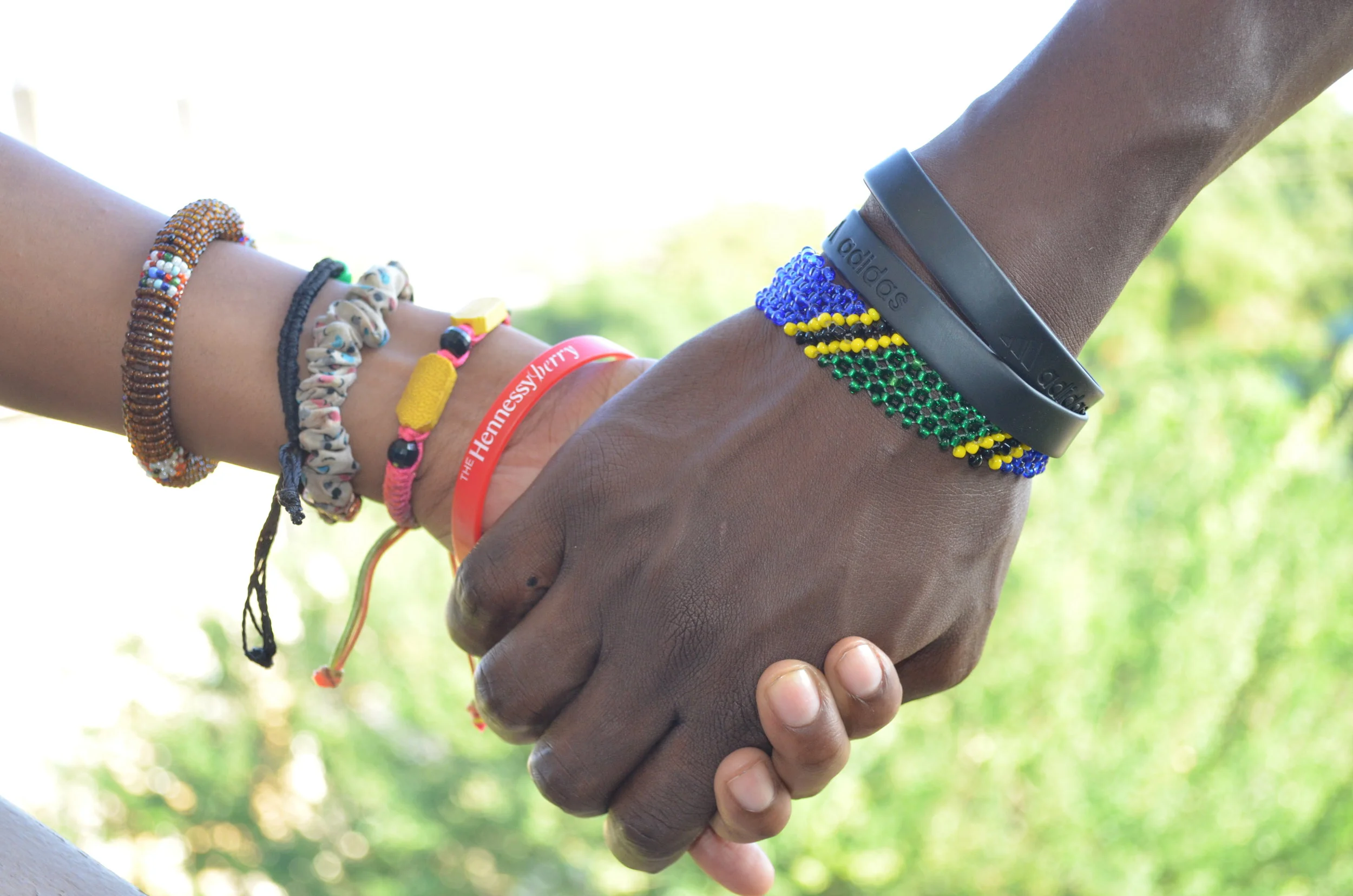



by Ta'Kaiya Blaney
Thank you, I channel this thanks from the deepest trench of gratitude I can muster:
For we have done it. The Earth Revolutions, the movements against war, for education, to prioritize the might of the pen

by Sofia Sayabalian
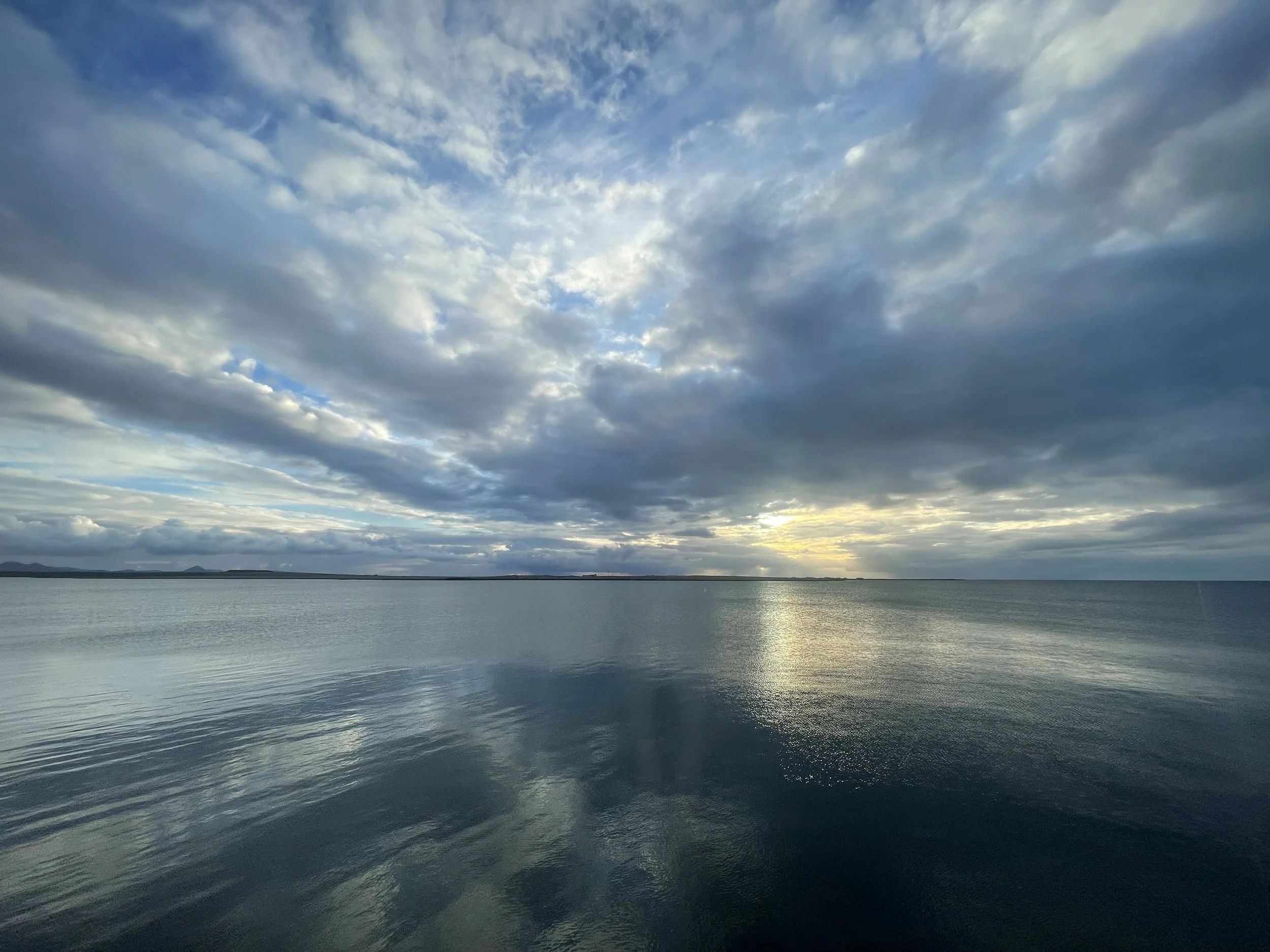
Having the opportunity to visit Reykjavík, Iceland was a special one. I always thought of Iceland as an isolated place–far, freezing, and frosted with whispers…
by Frank DiGirolamo
“Wow! … You just listened to my whole anthem.” It was late at night, years ago, on North Broadway in Capitol Hill. “Miguel” had just recited his life story to me for a good 20 minutes…
by Camila Torres
When I was a child, I was terrified of the dark. I hated going to sleep, because, once the lights turned off, the sheer possibility of encountering a monster kept me awake…
by Amina Malkin
When talking about religion, my father will sometimes talk about “the chosen people,” a title that Jewish people have historically adopted as a way to reference being descended from…
by Ta'Kaiya Blaney
Thank you, I channel this thanks from the deepest trench of gratitude I can muster:
For we have done it. The Earth Revolutions, the movements against war, for education, to prioritize the might of the pen
by Paul Chaffee, Editor
Anyone in recent years who has seriously organized local interfaith activities knows about the boundaries of dialogue. There is often pressure to focus on shared values and easy issues; to master easy topics before jumping into disagreements that are unlikely to be solved.
by Marcus Braybrook
have been thinking a lot about breaking down walls, as I have just returned from an interreligious peace conference in South Korea.The highlight was a peace rally in the World Cup Stadium that included speaker after speaker who affirmed the longing for peace and reunification of Korea.
Paul Brandeis Raushenbush
On November 8, 2016 an already divided America was further fractured. For many of us who are working to make America a more welcoming, just, and inclusive nation – to make the America that never was, but that we pray must someday be...
by Vicki Garlock
There are plenty of kids’ books out there for most of these holidays, but as the number of interfaith and multicultural families rises, so does the need for books that explore multiple traditions.
by Paul Chaffee
Like so much else in this contemporary culture, the ‘interfaith movement’ is at a watershed moment. For the past quarter-century, spontaneously, globally, thousands of groups have gathered to promote interfaith harmony.
by Bud Heckman
Numerous efforts have been made over time to bring people of different walks of faith together and think creatively about the meaning of community and accountability. Yet few visions are as refreshingly bold as what has been happening in Omaha, Nebraska.
by Ruth Broyde Sharone
Aziza Hasan is one of the most admired Muslim women in Los Angeles. She is a graduate of a small Mennonite college in Kansas, where she studied conflict resolution and mediation and spent two years as a member of AmericaCorps.
by Rev. Andrea Goodman
Can a ten-year-old religious nonprofit that is not a church thrive and grow without fundraising and with no employees? Yes! Here is the story of The Interfaith Peace Project.In 2006, Fr. Tom Bonacci and I were in a café sharing a meal in San Francisco, CA. We each carried the grief of recent program losses.
by Deborah Moldow
A vast spiritual community is emerging all over the world. It has no name. It has no church or temple and no scripture. No one sees it. And yet it is among the most potent forces for evolutionary change on the planet.
by Susan Katz Miller
This time of year, many interfaith families are preparing to feast on latkes, light Hanukkah candles at the Thanksgiving table, and then move on to making Christmas cookies. But beyond holiday celebrations, is it a good idea to raise kids in two religions?
by Cody Nielsen
In the past twenty years, the world of religious, secular, and spiritual identities (RSSIs) has grown considerably on college and university campuses across North America. Once a forgotten and at times taboo topic, higher education is slowly embracing these identities as it re-imagines itself as a force for global citizenship.
by Kevin Singer
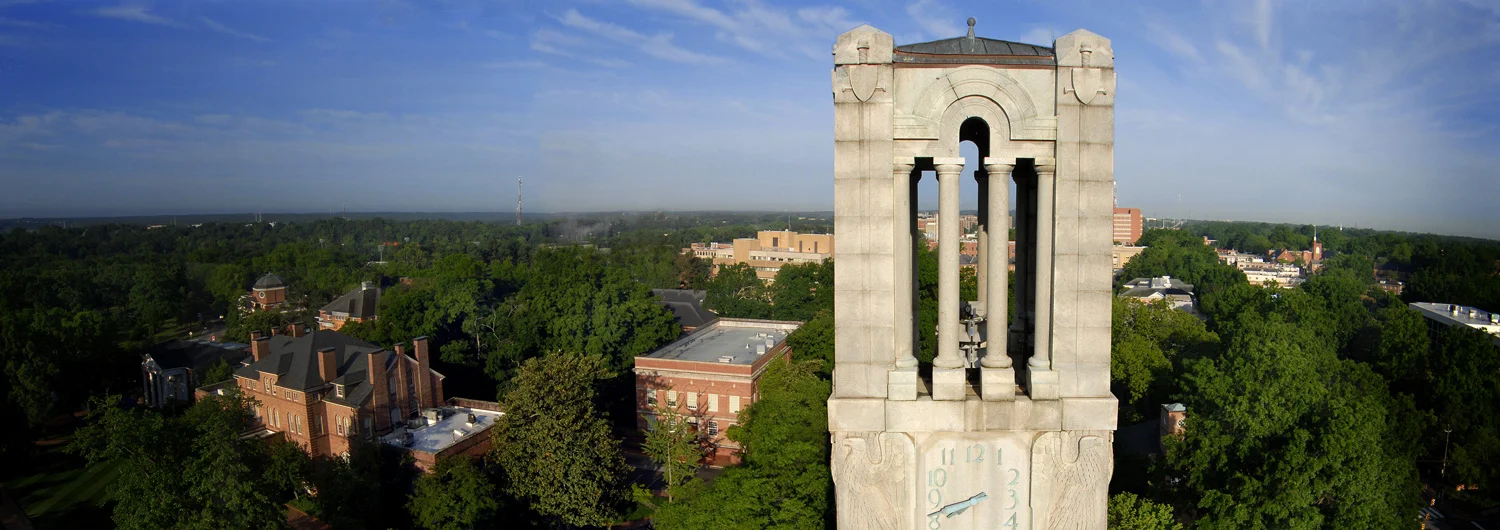
This fall I started the journey toward a Ph.D. in higher education at North Carolina State University. While walking around various parts of campus, I noticed the presence of several bi-fold signs fastened to campus fixtures like streetlights and trees with bike locks.
by Paul Chaffee, Editor
What we don’t know we oversimplify. As a pre-teen, I had a few desolate images of India – a really hot climate, vast arid deserts, cows wandering down city streets, and overwhelming poverty. Little more.
by Paul Chaffee
She was raised in a home on a dirt road in rural western North Carolina, without indoor plumbing or a telephone. The family lived off the land and had never sent a child to high school before. Asked if there was some seminal moment, a particular experience as a youngster that influenced her for the rest her life, Donna Bollinger says “Yes!”
by Jacob K. Olupona
1. African traditional religion refers to the indigenous or autochthonous religions of the African people. It deals with their cosmology, ritual practices, symbols, arts, society, and so on. Because religion is a way of life, it relates to culture and society as they affect the worldview of the African people.
by Vicki Garlock
Interfaith engagement serves as a near-constant reminder that the central teachings of the world’s belief systems are more similar than different. This is especially true when working with kids. For centuries, adults have taught important life lessons through stories, handed down from generation to generation.
A TIO Interview
Despina Namwembe is a force of hope to be reckoned with when it comes to grassroots interfaith work in Africa. A social scientist with a masters in peace and conflict studies, she coordinates the work of more than 30 grassroots interfaith organizations doing different social action projects in the Great Lakes countries of Africa.
by Despina Namwembe
On the 31st of January, we left for the northern part of Uganda in a place called Adjumani (which borders Southern Sudan) to celebrate the Interfaith Harmony Week. We celebrated with our brothers and sisters who are now refugees in Uganda because of the insurgency going on in their country.
by Kira Zalan
Over the past three years, funded by a modest grant from the Dutch government, 16 women and the local organizations they run in Sudan have intervened in dozens of disputes and brokered solutions. In some cases, that meant building a freshwater well—in others, assistance in drafting laws and power-sharing agreements.